
Aluminium Shopfront Door Repair in Dubai: Retail Entrance Planning Guide
Plan aluminium shopfront door repair in Dubai with practical guidance on closers, pivots, locks, frames, glass, mall access, and repair-versus-replacement decisions.
Quick answer
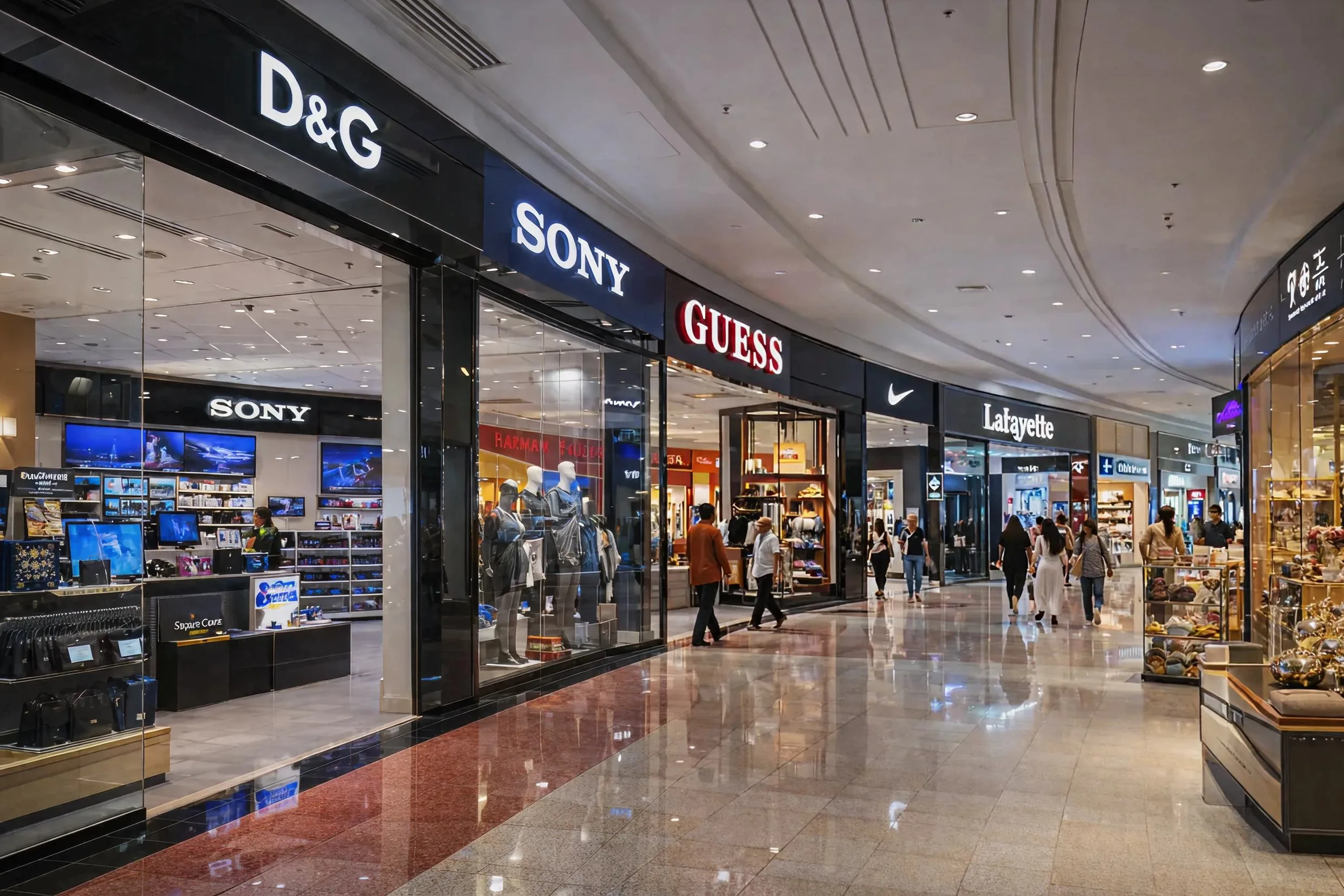
Aluminium shopfront door repair in Dubai should begin with the complete entrance, not only the part that has stopped working. A door that scrapes, slams, will not latch, drops at one corner, leaks air, or shows cracked glass may have problems with its closer, pivots, hinges, lock, frame alignment, glazing, threshold, or surrounding fixed panels.
For a retail shop, showroom, restaurant, clinic, or commercial lobby, the repair plan must also protect customers and keep the business accessible. Glass World supports door and window alignment, aluminium door and window installation, and glass replacement across Dubai. A survey can identify whether adjustment, compatible hardware, new glass, frame work, or a replacement entrance is the dependable solution.
Recognise the signs before the entrance fails
Busy shopfront doors can cycle hundreds of times a day. Small changes in movement often appear before a complete failure: the leaf catches the floor, the meeting stile sits unevenly, the handle feels loose, the latch needs a push, or the door closes faster than it used to. These symptoms should be investigated before repeated force damages the frame, hardware, glass, or floor finish.
Restrict the door if the glass is cracked, an exposed edge is chipped, the leaf is visibly loose, a pivot is moving, or the door can no longer be controlled. Use another safe entrance where available and keep customers away from the affected swing path until the assembly has been checked.
- Door rubs the threshold, floor, frame, or neighbouring leaf.
- Closer slams, stops short, leaks, or no longer controls movement.
- Lock, latch, strike, or access-control contact does not align.
- Aluminium rails or stiles are loose, bent, separated, or corroded.
- Glass is cracked, chipped near hardware, rattling, or shifting in the frame.
Diagnose alignment, closers, pivots, and hinges together
A dropped door is not always solved by one adjustment. Worn pivots, loose hinges, a failing overhead or floor closer, distorted aluminium, displaced setting blocks, frame movement, or an uneven threshold can create similar symptoms. Correct diagnosis avoids transferring the load to another component and producing a repeat callout.
The survey should record door size and weight, opening direction, clearances, pivot or hinge condition, closer action, fixing security, frame plumb, floor level, and the position of adjacent glass. Double doors must be assessed as a pair so their meeting line, closing sequence, locks, and weather seals work together.
Check locks and access control without compromising egress
Retail entrances may combine mechanical locks, patch locks, deadbolts, electric strikes, magnetic locks, card readers, door contacts, alarms, and after-hours shutters. A repair must coordinate the door movement with this equipment instead of treating each item separately. A correctly aligned leaf should latch consistently without being lifted, pushed hard, or pulled sideways.
Confirm the required opening direction, escape route, accessibility needs, fire and life-safety interfaces, landlord criteria, and authorised locking arrangement with the appropriate project parties. Glass and aluminium work should not disable required egress or leave cables and access-control components unsupported.
Inspect the aluminium frame and threshold
Hardware replacement will not remain reliable if the surrounding frame is loose or out of square. Inspect corner joints, mullions, transoms, anchors, cover plates, drainage, perimeter sealant, weather strips, thresholds, and connections to the shopfront. Impact from trolleys, deliveries, floor works, or a previous forced opening can move the frame even when the damage looks minor.
Where the existing entrance is beyond selective repair, a coordinated aluminium door or wider shopfront glass system replacement may provide a better result. The new frame finish, sightlines, glass appearance, signage, manifestation, and interfaces should match the storefront design and mall requirements.
Decide whether the existing glass can stay
Sound glass may sometimes be retained while compatible hardware, seals, or aluminium components are repaired. However, glass must be checked around corners, edges, holes, notches, beads, gaskets, handles, and lock preparation. Chips, cracks, hard contact, poor edge cover, or movement inside the frame can make replacement necessary.
New door glass should be specified for the panel size, support, hardware, location, security needs, and consequence of breakage. Toughened glass and laminated glass behave differently, and the correct choice depends on the complete entrance design. All holes and cut-outs must match approved hardware before processing; they cannot be altered after toughening.
Know when repair becomes replacement
Selective repair is usually worthwhile when the frame and glass remain serviceable and a clearly identified component can be adjusted or replaced. Full replacement is more sensible when the aluminium is badly distorted, several components are obsolete, glass preparation does not suit available hardware, the entrance repeatedly loses alignment, or the existing configuration no longer meets operational needs.
Compare the complete cost and disruption of both options. Repeated emergency visits, temporary closures, scarce spare parts, damaged floor finishes, and unreliable locking can make a planned replacement more economical than extending an unsuitable system. A scheduled upgrade also allows signage, access control, seals, handles, and finishes to be coordinated once.
Plan mall approvals, access, and business continuity
Dubai mall and commercial work may require landlord approval, permits, contractor registration, insurance documents, material submissions, work-method statements, delivery bookings, security access, and restricted working hours. Confirm these requirements before fabrication or scheduling because they can affect the programme more than the physical repair.
Plan how customers and staff will enter while the door is isolated. After-hours work, phased removal, barriers, temporary securing, floor protection, dust control, and a clearly signed alternative route can reduce disruption. Shops opening onto external areas may also need weather protection and secure closure if work continues across more than one shift.
Test the repaired entrance before reopening
Handover should include repeated opening and closing from both sides. Check swing or sliding movement, closing speed, latch action, lock engagement, clearances, handles, access control, seals, glass stability, and contact with the floor or frame. On double doors, confirm that both leaves meet evenly and operate in the intended sequence.
Record adjusted and replaced parts, provide compatible maintenance advice, and identify any components approaching the end of their service life. Facilities teams should periodically inspect movement, fasteners, seals, lock alignment, glass edges, and unusual noise instead of waiting for the entrance to become unusable.
What affects repair cost and quotation accuracy
Aluminium shopfront door repair cost in Dubai depends on the entrance type, number and size of leaves, fault diagnosis, closer and pivot specification, lock or access-control coordination, aluminium condition, glass replacement, finish matching, parts availability, mall requirements, access, working hours, temporary protection, and whether adjacent fixed glazing must be removed.
For a useful first assessment, send a full storefront photo, close-ups of the top and bottom hardware, lock, frame, threshold, glass damage, and any rubbing point. Include a short video of the door moving, approximate dimensions, shop location, mall or building name, opening hours, access restrictions, and whether the entrance can be taken out of service.
Arrange a Dubai shopfront door survey
Glass World can inspect aluminium shopfront entrances for alignment, closer and pivot faults, locking problems, frame damage, seals, glass condition, and replacement requirements. The aim is to define a repair that restores controlled movement and secure closure while fitting the retailer's operating hours and property requirements.
Share the symptoms, photos, video, location, access process, and preferred work window. For broader retail projects, Glass World can coordinate the entrance with custom glazing and commercial support for retail, mall, and shopfront environments across Dubai and the UAE.

Glass Roof Pergola in Dubai: Design and Installation Planning Guide
Plan a glass roof pergola in Dubai with practical guidance on safety glazing, aluminium structure, heat control, drainage, access, maintenance, and accurate quotations.
Read article
Villa Window Glass Replacement in Dubai: Cracks, Misting, and Heat Control Guide
Plan villa window glass replacement in Dubai with practical guidance on cracked panes, misted double glazing, safety glass, aluminium frames, heat control, and accurate quotations.
Read article
Office Glass Partition Repair in Dubai: Doors, Panels, and Seal Guide
Plan office glass partition repair in Dubai with practical guidance on loose panels, door alignment, seals, privacy, damaged glass, and replacement decisions.
Read article