
Decorative Mirrors and Textured Glass: Interior Design Ideas for UAE Homes, Hotels, and Retail
Explore decorative mirrors, frosted glass, etched glass, textured glass, and stained glass ideas for UAE interiors, hospitality, retail, and homes.
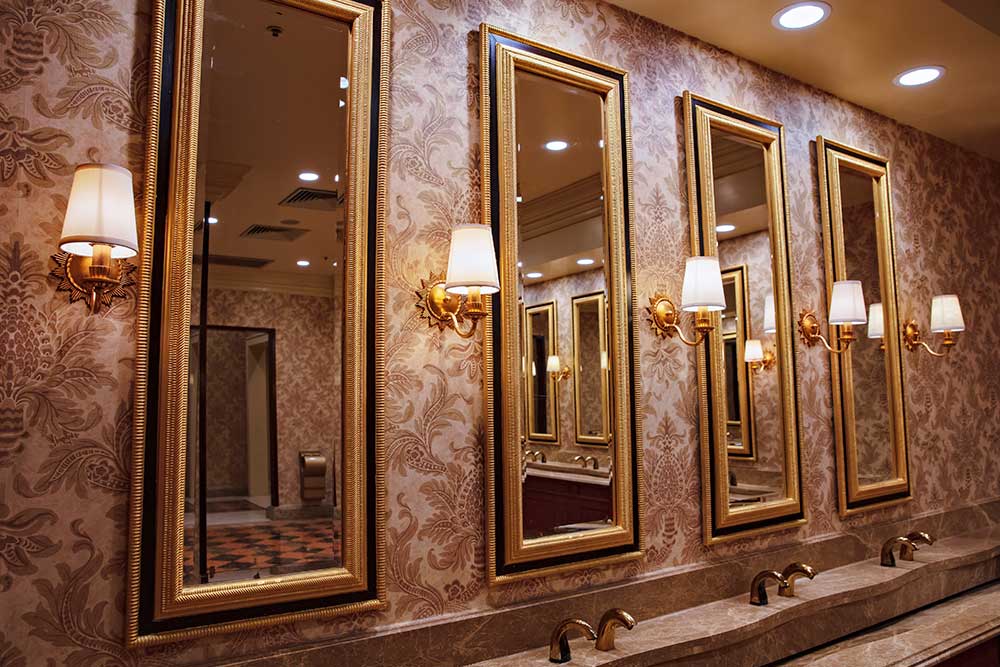
Why decorative glass works so well indoors
Decorative glass and mirrors can change an interior without making the layout heavier. They add reflection, privacy, texture, colour, and light control while still feeling refined. In UAE homes, hotels, offices, clinics, restaurants, and retail spaces, this makes glass a useful design material rather than only a window or partition product.
The best choice depends on what the space needs: privacy, a feature wall, a brighter corridor, a branded screen, a premium washroom, or a decorative surface that is easy to clean.
Mirror ideas for feature walls and washrooms
Decorative mirrors, beveled mirrors, tinted mirrors, and antique mirrors can make interiors feel deeper and more polished. They work especially well in hotel washrooms, vanity walls, retail fitting rooms, villa corridors, wardrobe areas, salons, and reception spaces.
- Use beveled edges where the mirror itself should feel more premium.
- Use tinted mirror for warmer interiors and luxury hospitality details.
- Use antique mirror for feature walls, restaurants, lounges, and boutique spaces.
- Confirm backing, wall condition, edge exposure, and moisture risk before installation.
Textured and privacy glass ideas
Frosted glass, etched glass, patterned glass, and sand blasted glass can soften visibility while keeping light in the room. These finishes are useful for offices, bathrooms, clinics, restaurants, and partitions where clear glass may feel too exposed.
- Frosted glass for simple privacy and soft light.
- Etched glass for subtle patterns, logos, or branded details.
- Patterned glass for texture on doors, cabinets, and screens.
- Stained glass or stack glass for stronger decorative statements.
Specification and maintenance tips
Decorative surfaces should be planned around lighting, cleaning, touch points, backing, edge finish, and installation method. A finish that looks good in a sample may feel different under warm hotel lighting, strong daylight, or a narrow corridor.
Avoid abrasive tools on mirror and textured surfaces. If panels are installed near wet areas, confirm moisture exposure and edge protection before final fabrication.
How to choose between mirror, frosted, etched, and textured glass
Choose mirrors when the goal is depth, reflection, and a brighter feeling. Choose frosted or etched glass when privacy is more important than reflection. Choose patterned or textured glass when the surface should add character even when viewed up close.
For hotels and retail interiors, the finish should be reviewed under the same lighting conditions the customer will experience. For homes and offices, cleaning routine and touch points matter more, especially near handles, counters, shower areas, and wardrobes.
- Use mirrors to expand corridors, vanity areas, dressing rooms, and feature walls.
- Use frosted or etched glass for meeting rooms, bathrooms, clinics, and private zones.
- Use textured glass where the design should feel more tactile or distinctive.
- Use stained glass or stack glass when the glass should become a feature rather than a background surface.
Mistakes to avoid with decorative glass
- Do not choose a finish from a small sample without considering room lighting.
- Do not ignore backing, moisture, and wall condition on mirror installations.
- Do not use abrasive cleaning methods on etched, sand blasted, or textured surfaces.
- Do not leave edge treatment and fixing method until the end of the design process.
Related Glass World pages
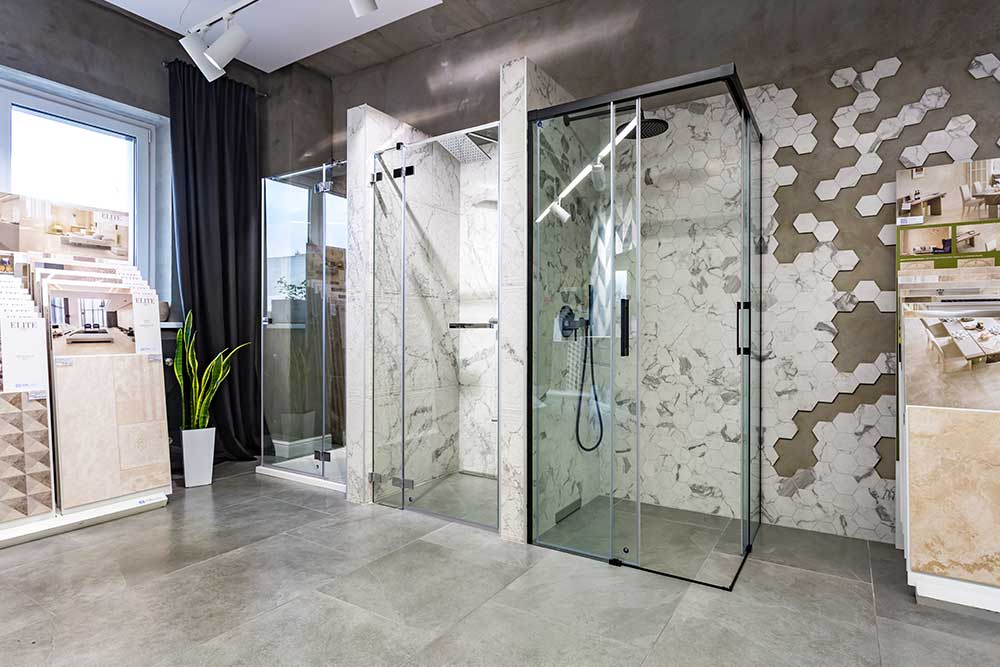
Shower Glass Cost in Dubai: Quote and Installation Budget Guide
Understand shower glass cost in Dubai with a practical guide to enclosure layouts, glass, hardware, measurement, installation, quote comparisons, and bathroom project budgets.
Read article
Balcony Glass Enclosure in Dubai: Sliding and Folding System Guide
Plan a balcony glass enclosure in Dubai with practical guidance on sliding and folding systems, approvals, safety glass, heat, ventilation, drainage, access, and quotations.
Read article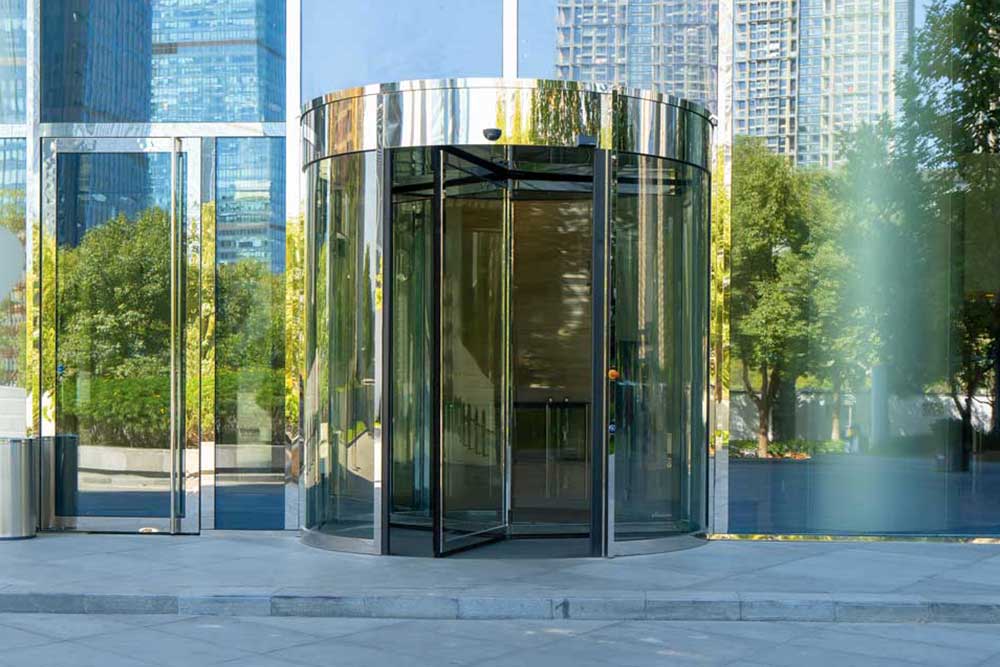
Glass and Aluminium Maintenance Contract in Dubai: Commercial AMC Guide
Plan a glass and aluminium maintenance contract in Dubai with practical guidance on asset surveys, preventive visits, emergency response, exclusions, reporting, and commercial AMC quotations.
Read article