
Facade Glass Maintenance in Dubai: Inspection, Sealants, and Access Planning Guide
Plan facade glass maintenance in Dubai with guidance on inspections, sealants, gaskets, drainage, access, cleaning coordination, repairs, and maintenance budgets.
Quick answer
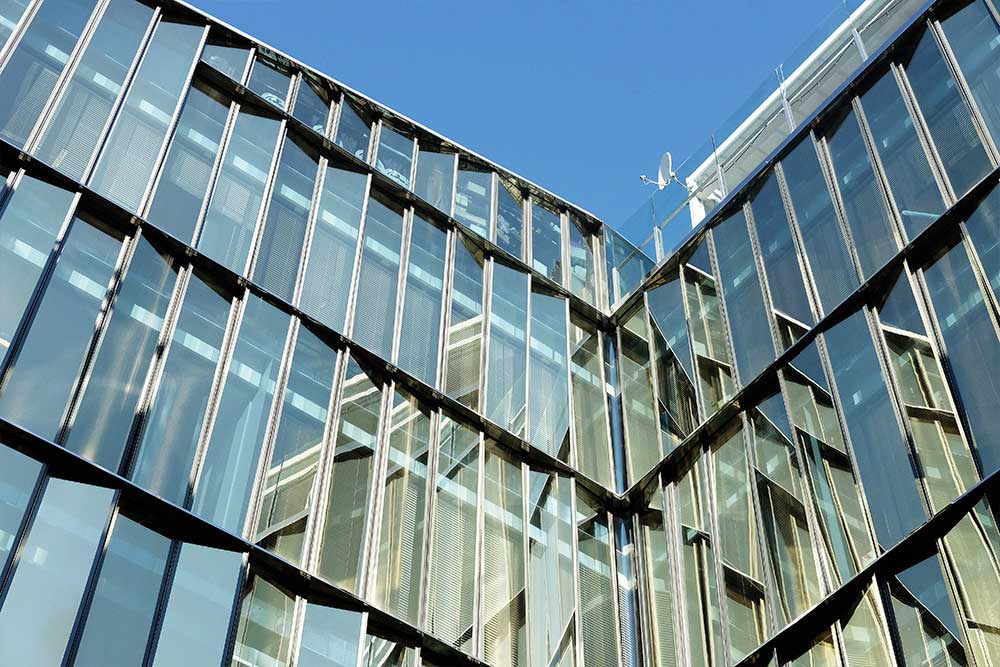
Facade glass maintenance in Dubai should combine regular visual inspections with planned checks of glass, aluminium framing, gaskets, sealants, drainage paths, fixings, opening vents, and access systems. Cleaning keeps the elevation presentable, but it does not replace a technical inspection or correct defects that can lead to leaks, loose components, damaged glass, or difficult emergency replacement.
Glass World supports facade glass replacement, curtain wall works, and rope access solutions for towers, hotels, offices, retail buildings, and mixed-use properties across Dubai and the UAE. The right maintenance plan starts with the facade type, age, exposure, previous repair history, occupancy, and safe access route.
Why Dubai facades need planned maintenance
Heat cycles, ultraviolet exposure, dust, humidity, coastal air in some areas, wind, occasional heavy rain, and repeated cleaning all affect facade materials. Sealant can harden or separate, gaskets can shrink, drainage openings can become obstructed, aluminium finishes can deteriorate, and small chips or pressure points in glass can become more important over time.
A planned programme helps building managers find developing defects before they become urgent tenant complaints or public-safety issues. It also allows access equipment, permits, replacement materials, and work zones to be coordinated with cleaning, leasing, renovation, and operational schedules instead of arranged during an emergency.
What a facade inspection should cover
The inspection scope should match the facade system. Curtain walls, window walls, structural glazing, shopfronts, punched windows, canopies, skylights, and aluminium composite interfaces do not drain or transfer loads in the same way. Review available drawings, previous reports, leak records, glass replacement history, warranties, and access information before starting.
- Cracks, chips, scratches, inclusions, edge damage, or unusual glass movement
- Gasket shrinkage, displaced wedges, open corners, brittle sealant, or failed adhesion
- Loose caps, pressure plates, beads, vents, handles, flashings, or decorative components
- Blocked weep holes, staining, internal dampness, condensation, corrosion, or recurring leak paths
- Unsafe access conditions, damaged anchors, or changes that affect suspended-access equipment
Separate cleaning observations from technical findings
Facade cleaners often see elevations at close range and can report broken seals, cracked glass, loose covers, staining, or damaged bird-control devices. Give the cleaning team a simple defect-reporting process with elevation references and photographs. Their observations are valuable, but suspected defects should still be assessed by a competent facade or glazing team.
Cleaning methods also matter. Abrasive tools, incompatible chemicals, hard-water deposits, or scraping across dry dusty glass can damage coatings, finishes, sealants, and glass surfaces. Confirm approved products and techniques for the installed materials, protect open joints, and avoid directing excessive water pressure into drainage cavities or known weak interfaces.
Sealants, gaskets, and drainage must work together
Adding new silicone over an old joint is rarely a durable maintenance strategy. A repair should identify the joint function, movement, substrate condition, existing material, required preparation, compatible replacement sealant, backing depth, and curing conditions. Failed material may need controlled removal so the new joint can bond to clean, suitable surfaces.
Curtain wall systems also manage water through glazing pockets, pressure equalisation, internal gutters, and weep paths. Sealing a designed drainage opening can trap water and move the leak elsewhere. Where water ingress is already present, use a documented investigation and targeted testing approach; the curtain wall leak repair guide explains why the visible wet spot may not be the entry point.
When glass needs repair or replacement
Cracked glass, significant edge damage, loose glazing, failed insulated units, or panels that no longer match their support conditions should be assessed promptly. Isolate the area where fragments or a panel could affect occupants, pedestrians, vehicles, or neighbouring property. Film, tape, or a surface patch should not be treated as proof that damaged facade glass is safe.
Replacement planning should identify the original glass build-up, thickness, heat treatment, lamination, coating, tint, frit, dimensions, edge processing, and insulated-unit details. The frame, setting blocks, gaskets, pressure components, structural silicone, and cause of failure should be checked at the same time. Glass World can coordinate curtain wall glazing, laminated glass, and custom glass fabrication where matching or processed panels are required.
Plan safe access and protect building operations
Access can determine the programme and cost as much as the repair itself. Depending on the elevation, panel size, and site, the work may use rope access, a building maintenance unit, mobile elevated platform, scaffold, mast climber, crane, or internal access. Confirm equipment certification, anchor or track suitability, rescue arrangements, exclusion zones, permits, traffic management, and weather limits before mobilisation.
Coordinate with tenants, hotel operations, security, facilities, retail trading hours, loading areas, parking, and public routes. Internal protection may be needed where glass is removed from occupied rooms. For larger panels, confirm lift capacity, storage, lifting frames, glazing robots or suction equipment, and a safe route from delivery to the work face.
Build a practical inspection and budget cycle
There is no single interval for every building. Inspection frequency should reflect facade age, system type, height, exposure, defect history, manufacturer guidance, local requirements, access difficulty, and consequence of failure. Add event-driven checks after severe weather, impact, nearby construction, facade access incidents, or reports of movement, noise, leaks, or broken components.
Keep an elevation-based defect register with photographs, dates, priority, temporary controls, repair method, materials, contractor, and close-out evidence. Group similar non-urgent work by elevation or access drop where sensible, while escalating safety-critical defects immediately. This record supports annual budgets and shows whether isolated failures are becoming a system-wide pattern.
What to send for a facade maintenance quotation
Share the building name and location, approximate height and floor count, facade type, affected elevations, drawings or previous reports, defect photographs, leak history, glass specifications, access-system details, tenant restrictions, parking or road constraints, required working hours, and target programme. Marking defects on elevation drawings makes the initial scope far clearer than sending unrelated close-up photographs.
For an annual or staged programme, state whether the requirement is a visual condition survey, water-ingress investigation, sealant and gasket repairs, glass replacement, aluminium rectification, emergency attendance, or a combined package. A site visit can then confirm safe access, priorities, quantities, samples, and the information needed for a focused proposal.
Plan facade glass maintenance with Glass World
Glass World can help facilities teams, owners, consultants, and main contractors survey glass and aluminium facades, prioritise defects, coordinate access, fabricate replacement glass, and deliver targeted repair or replacement works. The scope can be planned around an occupied property and aligned with cleaning or wider building-maintenance activities.
Start with current photographs, the building and elevation details, known defects, available records, access constraints, and the required completion window. The team can then recommend the next survey and quotation steps for a safer, clearer, and more maintainable facade.

Curved Glass Cost in Dubai: Bent Glass Design and Quotation Guide
Plan curved glass cost in Dubai with practical guidance on radius, templates, glass build-up, fabrication, framing, transport, installation, and comparable bent glass quotations.
Read article
Shopfront Glass Cost in Dubai: Retail Installation and Replacement Guide
Plan shopfront glass cost in Dubai with practical guidance on glass specifications, aluminium framing, doors, mall approvals, access, installation, replacement, and comparable quotations.
Read article
Glass Cut to Size in Dubai: Custom Fabrication and Measurement Guide
Order glass cut to size in Dubai with practical guidance on measurements, glass type, thickness, polished edges, holes, templates, safety, lead times, and quotations.
Read article