
Glass Cut to Size in Dubai: Custom Fabrication and Measurement Guide
Order glass cut to size in Dubai with practical guidance on measurements, glass type, thickness, polished edges, holes, templates, safety, lead times, and quotations.
Quick answer
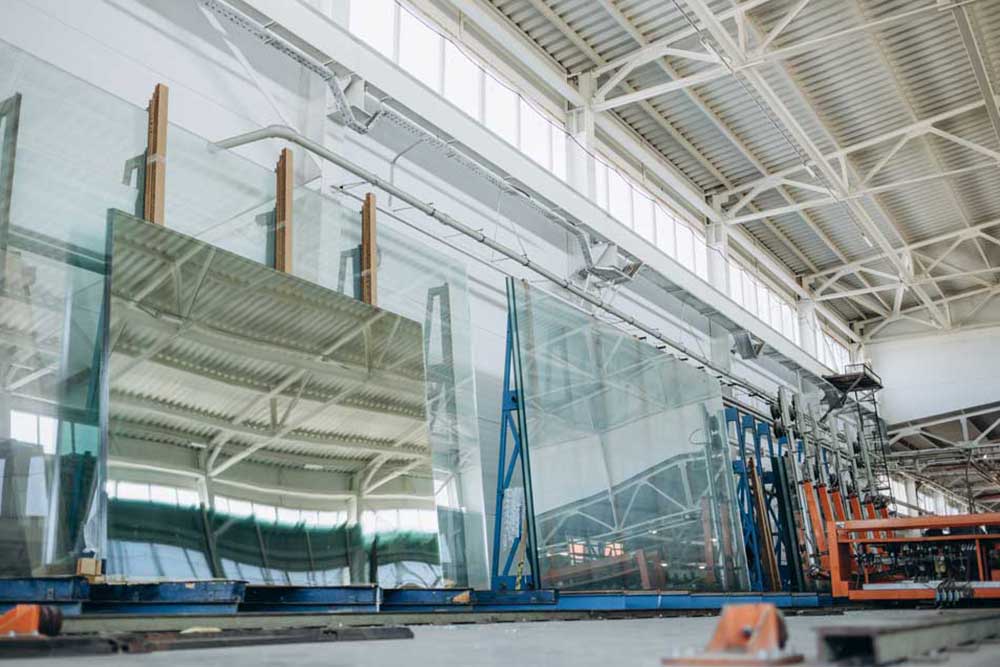
Glass cut to size in Dubai should be ordered from a clear specification, not dimensions alone. Intended use, glass type, thickness, heat treatment, edge finish, corner shape, holes, notches, cut-outs, tolerances, support, access, and installation method all affect whether the finished panel is safe and suitable.
Glass World provides custom glass fabrication for homes, offices, shops, hotels, restaurants, and fit-out projects across Dubai and the UAE. A useful enquiry includes a dimensioned sketch, photographs, application, quantity, required finish, and whether survey, delivery, or installation is needed.
What can be made from cut-to-size glass?
Custom panels are used for table and desk tops, shelves, cabinet doors, display cases, partitions, door vision panels, wall protection, reception counters, mirrors, splashbacks, shower screens, balustrade infills, machine guards, and replacement panes. Each application creates different loading, impact, heat, moisture, fixing, and edge-exposure conditions.
Describe the finished use before selecting a product. A loose protective tabletop, a supported shelf, a framed window pane, and an exposed frameless door should not automatically use the same glass or processing, even when their length and width are similar.
Choose the glass type for the application
Options may include clear glass, low-iron glass, tinted glass, patterned glass, frosted glass, mirror, toughened glass, or laminated glass. The right choice depends on visibility, colour, privacy, breakage behaviour, impact risk, support, exposure, and any applicable project specification.
Toughened and laminated are not interchangeable labels for 'strong glass.' Toughened glass is heat treated and breaks into relatively small fragments, while laminated glass retains fragments on an interlayer after breakage. Some projects use a combination or require a specific tested build-up. Confirm the safety requirement before fabrication rather than upgrading by guesswork.
Thickness is an engineering and use decision
Glass thickness should reflect panel size, span, support on two or four sides, concentrated loads, holes, edge exposure, movement, impact risk, and the consequences of breakage. A thicker panel may feel more substantial, but thickness alone does not correct poor support, an unsuitable glass type, weak hardware, or incorrect fixing positions.
For shelves, tabletops, railings, floors, overhead glazing, large doors, and structural applications, ask for a specification appropriate to the actual load and support arrangement. Do not copy a thickness from an unrelated online example without checking the complete installation.
Measure the opening, not the old broken pane
For replacement work, the old panel may be chipped, incomplete, incorrectly sized, or already moving inside the frame. Measure the receiving opening, rebates, clearances, gasket space, setting blocks, and hardware positions. Record whether dimensions are finished glass sizes or site-opening sizes so the fabricator does not have to interpret them.
Use one unit consistently, show width before height, mark the viewing face, and identify the top edge. Measure at more than one point because walls, frames, and joinery are not always square. Where fit is critical, a site survey by the installer is safer than relying on a casual tape measurement.
- Provide overall width and height in millimetres.
- Mark every hole, notch, corner radius, angle, and cut-out from fixed datum edges.
- State the quantity and whether multiple panels must align as a set.
- Photograph the opening, supports, hardware, access route, and surrounding finishes.
Use templates for irregular shapes
Curves, out-of-square corners, arches, columns, stair profiles, stone counters, and existing hardware can make a simple dimensioned rectangle inadequate. A rigid full-size template or verified digital survey may be required, with the face, orientation, reference edges, and required clearances clearly marked.
Templates should represent the glass shape rather than the decorative outline alone. The fabricator also needs to know where the panel will be supported, which edges remain visible, and whether adjacent finishes are complete. Changes after templating can make an accurately fabricated panel no longer fit.
Specify edges, corners, holes, and cut-outs before processing
Cut edges can be arrissed, ground, flat polished, bevelled, or otherwise finished depending on visibility and use. Exposed furniture and shelf edges usually need a more refined finish than edges concealed inside a frame. Sharp corners may need a radius or clipped detail where people pass close to them.
Holes and notches require exact diameter, position, clearance, and hardware information. On toughened glass, cutting, drilling, edge shaping, and most other machining must be completed before heat treatment. A missed socket cut-out or incorrect hinge hole cannot normally be added afterwards, so review the fabrication drawing carefully before approval.
Plan fixing, support, and installation with the glass
Glass performs as part of a system. Channels, clamps, brackets, hinges, stand-offs, gaskets, setting blocks, adhesives, sealants, frames, and substrates must suit the panel and its application. Direct hard contact with metal, stone, or an uneven wall can concentrate stress and lead to damage.
If the panel is more than a loose removable top, include installation in the planning. Glass World can coordinate fabrication and installation planning, aluminium framing, hardware, and site protection so dimensions and fixing details are checked as one scope.
Understand tolerance, appearance, and colour
Fabricated glass needs practical manufacturing and installation tolerances. Confirm whether dimensions are nominal or critical, how joints will be distributed, and what clearance the frame or hardware requires. An unrealistic zero-gap request can create fitting problems or edge contact after normal building movement.
Standard clear glass has a natural green tone that becomes more noticeable at thicker edges. Low-iron glass reduces that colour but may cost more. Tint, pattern direction, frosting, ceramic backing, mirror tone, and coating orientation should be approved with samples where appearance is important, especially for multiple panels installed side by side.
Lead time and cost depend on processing
The price of cut-to-size glass depends on glass type, thickness, area, quantity, waste from stock sheets, edge length and finish, holes, notches, curves, templates, heat treatment, lamination, painting, hardware, packaging, delivery, access, removal, and installation. A small complex panel can cost more per square metre than a larger simple rectangle.
Lead time also varies with stock availability and processing. Special laminates, coatings, patterns, large sizes, ceramic painting, shaped work, and coordinated hardware can take longer than standard clear rectangles. Confirm the approved drawing, production period, delivery constraints, and installation date before scheduling other trades around the glass.
How to request an accurate Dubai quotation
Send a dimensioned sketch for every panel, label repeated pieces, and include photographs with a tape measure or known reference where useful. State the application, glass type if specified, thickness, safety requirement, edge finish, corner detail, holes and cut-outs, quantity, location, floor level, lift or stair restrictions, and whether old glass must be removed.
If you are unsure about the specification, share the intended use rather than guessing. Glass World can review the requirement, recommend the next survey or detailing step, prepare custom processed glass, and coordinate delivery or installation. Clear information at the start reduces revisions, prevents unusable panels, and produces a quotation that matches the finished scope.
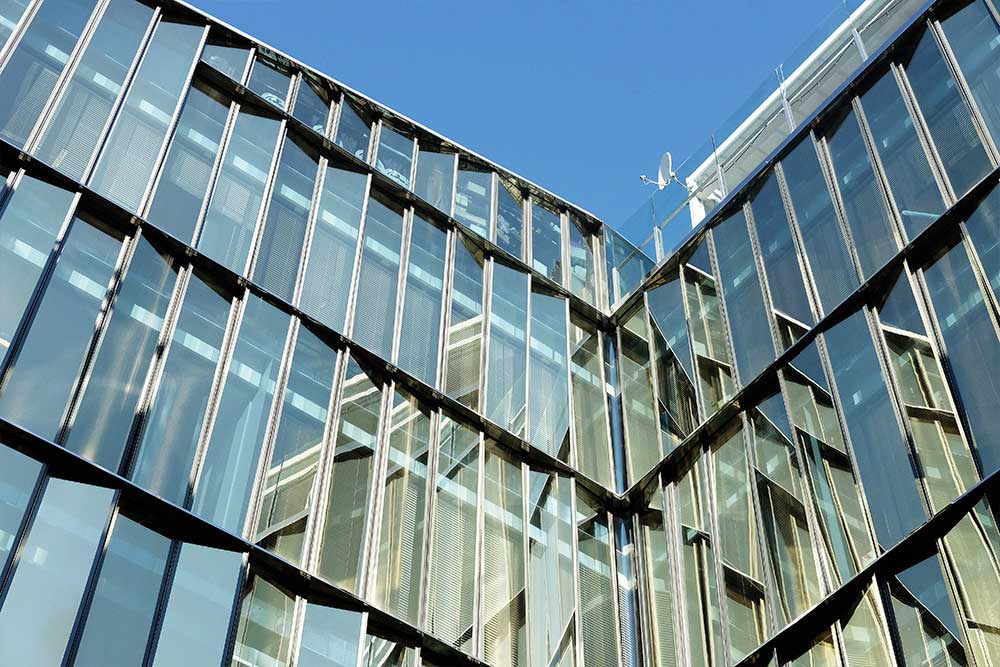
Facade Glass Replacement Cost in Dubai: Budget and Access Guide
Plan facade glass replacement cost in Dubai with practical guidance on glass matching, access, lifting, surveys, permits, programme risks, and comparable quotations.
Read article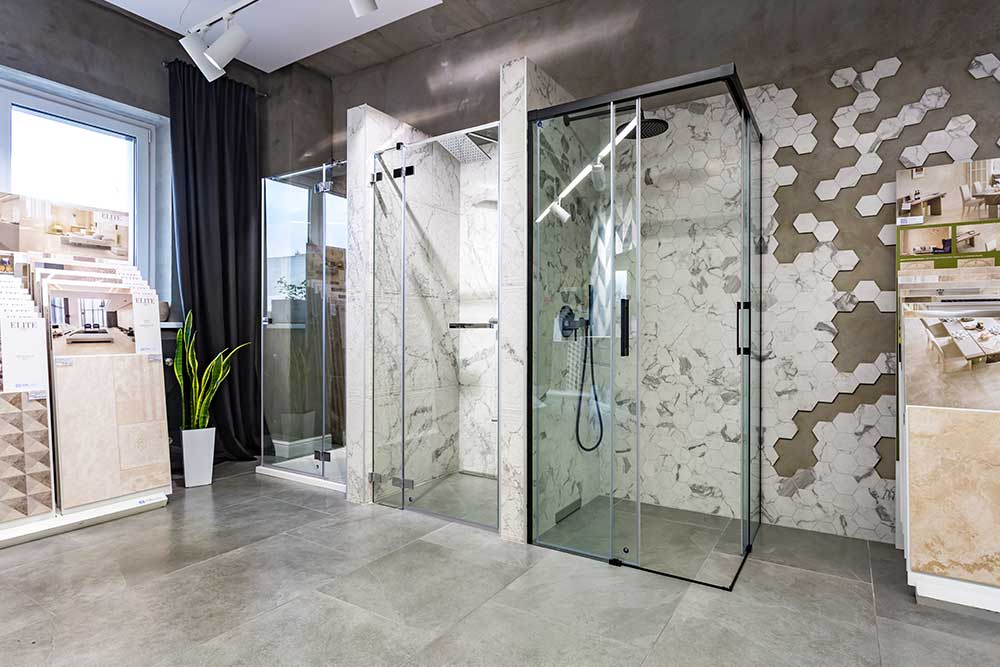
Shower Glass Cost in Dubai: Quote and Installation Budget Guide
Understand shower glass cost in Dubai with a practical guide to enclosure layouts, glass, hardware, measurement, installation, quote comparisons, and bathroom project budgets.
Read article
Balcony Glass Enclosure in Dubai: Sliding and Folding System Guide
Plan a balcony glass enclosure in Dubai with practical guidance on sliding and folding systems, approvals, safety glass, heat, ventilation, drainage, access, and quotations.
Read article