
Low-E Glass in Dubai: Window and Facade Heat Control Guide
Plan a low-E glass upgrade in Dubai with guidance on solar heat, insulated units, coatings, frame compatibility, replacement, appearance, and quotation details.
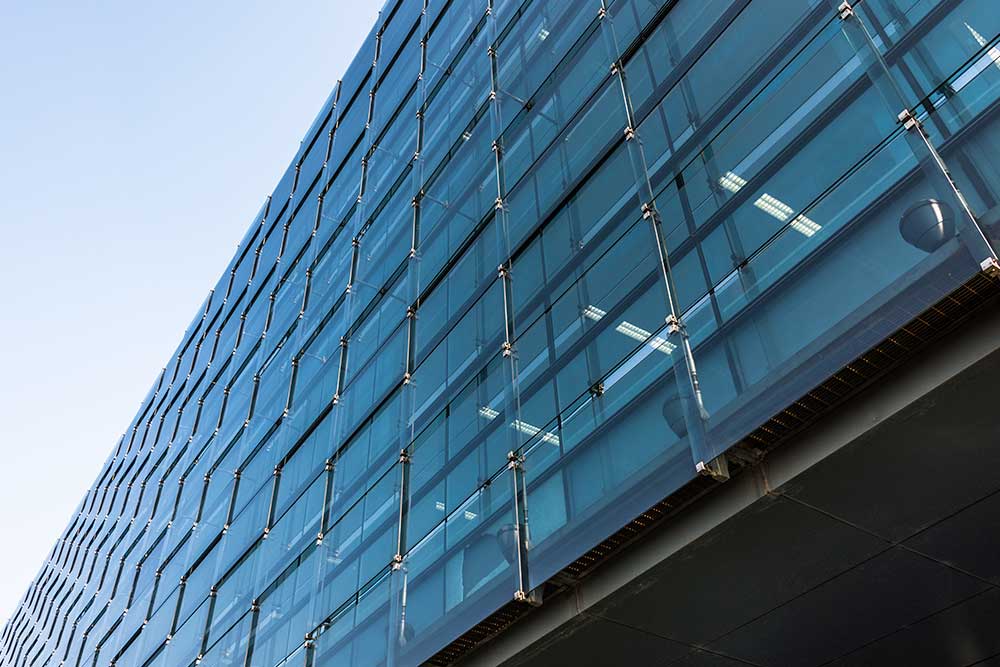
Quick answer
Low-emissivity, or low-E, glass uses a thin functional coating to reduce radiant heat transfer through a window or facade. In Dubai, it is normally considered as part of a complete glazing system rather than as a stand-alone pane: solar exposure, insulated-glass construction, coating position, tint, frame condition, seals, shading, air-conditioning loads, and the required external appearance all affect the result.
Glass World supports insulated glass, custom glass fabrication, window and facade glazing, and replacement planning across Dubai and the UAE. For an existing building, identify the current glass build-up and frame capacity before choosing a coating from a catalogue.
What low-E glass can improve
A suitable low-E build-up can reduce heat transfer, improve comfort beside glazing, and support the wider energy strategy of a villa, office, hotel, shop, or residential tower. It may also help reduce the cooling load attributed to glazing, particularly on large exposed elevations. Actual performance depends on the complete window or curtain-wall assembly, installation quality, orientation, glass-to-wall ratio, shading, air leakage, and how the building is operated.
Low-E does not mean that every room will feel cool regardless of design. Direct solar gain, warm frames, unsealed openings, roof heat, air leakage, and undersized air conditioning can still cause discomfort. A useful survey separates glass-related heat gain from the other sources before recommending replacement.
Understand the key performance values
Ask the consultant or supplier to explain the glass performance in terms relevant to the project. U-value indicates heat transfer through the glazing assembly; solar heat gain coefficient or solar factor indicates how much solar energy passes through; visible light transmission describes daylight; and external reflection affects the facade's appearance. Lower or higher is not automatically better without considering the design brief.
For example, a very low solar-gain specification may help a highly exposed west facade but make another elevation darker than intended. Compare like-for-like certified data for the proposed make-up, pane sizes, coating, cavity, spacer, gas fill if any, and frame system. Do not rely only on broad labels such as energy-saving, reflective, or heat-resistant glass.
Low-E glass and insulated glass units
Low-E coatings are commonly used within a sealed double-glazed or insulated glass unit, where the coating can face a protected cavity surface. The unit may combine clear, tinted, heat-treated, laminated, or other panes depending on safety, solar, acoustic, security, and facade requirements. Spacer width, edge seal, desiccant, processing quality, and drainage all matter to long-term performance.
The correct coating surface and glass make-up depend on the coating product and the required result. Handling or installing a coated pane in the wrong orientation can change performance or appearance. The fabrication order, labels, setting direction, edge deletion where required, and site quality checks should therefore be coordinated before installation.
Check the existing frame before replacement
A higher-performance glass unit may be thicker or heavier than the original pane. Existing aluminium windows, sliding systems, doors, pressure plates, gaskets, beads, setting blocks, hinges, rollers, and drainage paths must be checked for capacity and available rebate depth. Installing a new unit into a distorted, corroded, leaking, or poorly drained frame will not solve the underlying problem.
For villa and office windows, review opening operation, locks, seals, perimeter joints, condensation history, and water ingress at the same time. Glass World can connect the glass review with door and window alignment or aluminium door and window installation when the frame requires more than a simple reglaze.
Match appearance across a facade
Coated glass can look different by elevation, viewing angle, sky condition, internal lighting, pane size, heat treatment, and manufacturing batch. When only one failed or broken unit is being replaced, an exact visual match may be difficult even when the nominal specification is known. Obtain the original glass schedule, supplier records, performance data, and a sample where possible.
For a prominent curtain wall, the replacement strategy should consider colour, reflectivity, distortion, ceramic frit, spandrel zones, coatings, panel orientation, and adjacent weathered units. A site mock-up viewed from inside and outside is more reliable than approving a small sample under office lighting.
Safety, processing, and thermal stress
The glass must also meet the safety needs of its location. Doors, low-level glazing, overhead areas, balustrade-adjacent panels, large facade panes, and glass near impact zones may require toughened glass, laminated glass, heat strengthening, or a project-specific safety build-up. Coating performance does not replace impact, post-breakage, wind-load, or barrier requirements.
Dubai sun, partial shading, blinds, internal films, stickers, furniture close to glass, and dark spandrel areas can create uneven temperatures. The glass processor and designer should assess thermal stress for the actual pane, coating, edge quality, frame, and shading pattern. Avoid applying aftermarket film to low-E or insulated glass until compatibility and thermal risk have been confirmed.
Installation and quality checks
Measure the true openings and identify every unit before fabrication. During replacement, protect occupied areas, plan safe removal and lifting, inspect the frame and drainage, use compatible gaskets and sealants, position setting blocks correctly, keep coated surfaces oriented as specified, and preserve required edge clearances. Large or high-level panels may need specialist access through rope access solutions or lifting equipment.
At handover, check glass labels and panel locations, visual quality from agreed viewing distances, frame drainage, perimeter seals, opening operation, and any consultant test requirements. Keep the final glass make-up, coating name, performance data, batch information, warranties, and cleaning instructions in the building records to make future replacement easier.
Cost factors and quotation checklist
Cost depends on glass make-up, coating type, pane size and shape, heat treatment, lamination, insulated-unit thickness, spacer, edge processing, performance certification, frame alterations, access, lifting, removal, working hours, permits, samples, testing, and the number of units. A technically correct proposal should state the complete build-up rather than quote only a generic thickness.
For a useful quotation, share drawings, photos, approximate sizes, property type, elevation and orientation, existing glass markings, frame system, number of affected panels, reason for the upgrade, desired comfort or energy objective, appearance constraints, access conditions, and target programme. If the project is replacing failed double glazing, include photos of condensation, edge seals, gaskets, and the full window.
Plan a low-E glazing upgrade in Dubai
Glass World can survey existing glazing, review glass and frame conditions, coordinate processed or insulated units, plan access, and install replacement panels for residential and commercial properties. Early comparison of performance, appearance, safety, frame compatibility, and installation constraints helps avoid an expensive specification that does not fit the opening or the building objective.
Send the glass schedule if available, exterior and interior photos, approximate panel sizes, project location, current problem, preferred appearance, access information, and required completion date. A site review can then confirm the existing construction, final measurements, likely replacement route, and information needed for fabrication.
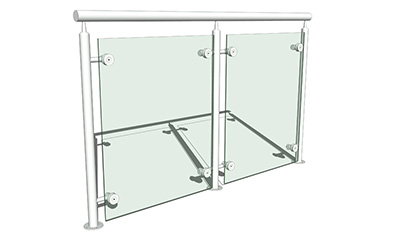
Restaurant Glass Windbreaks in Dubai: Outdoor Seating Design and Cost Guide
Plan restaurant glass windbreaks in Dubai with guidance on safety glass, wind exposure, fixing systems, approvals, access, maintenance, and comparable installation quotes.
Read article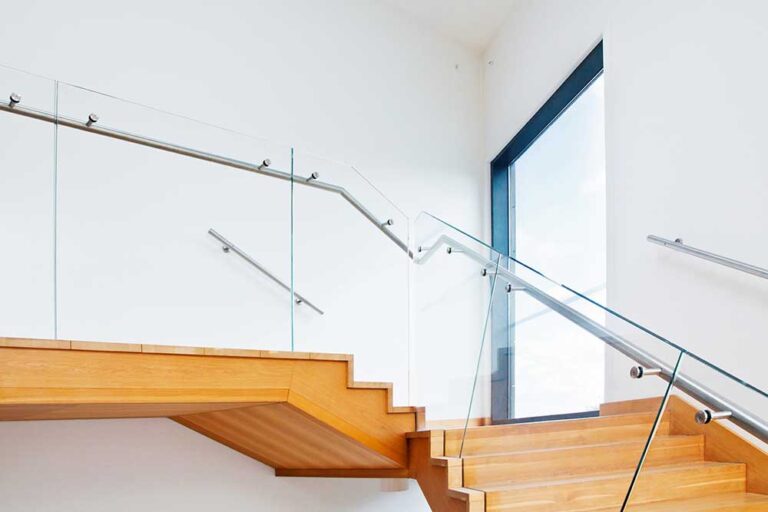
Glass Staircase Railing Cost in Dubai: Balustrade and Handrail Quote Guide
Plan glass staircase railing cost in Dubai with practical guidance on measurements, safety glass, fixing systems, handrails, access, installation, and comparable quotations.
Read article
Glass Door Lock Repair in Dubai: Patch Locks, Handles, and Access Control Guide
Plan glass door lock repair in Dubai with practical guidance on patch locks, strike alignment, handles, access control, safety glass checks, and replacement quotations.
Read article