
Balcony Glass Railing in Dubai: Villa and Apartment Planning Guide
Plan balcony glass railing in Dubai with practical guidance on safety glass, fixing methods, handrails, waterproofing, maintenance, access, and villa or apartment coordination.
Quick answer
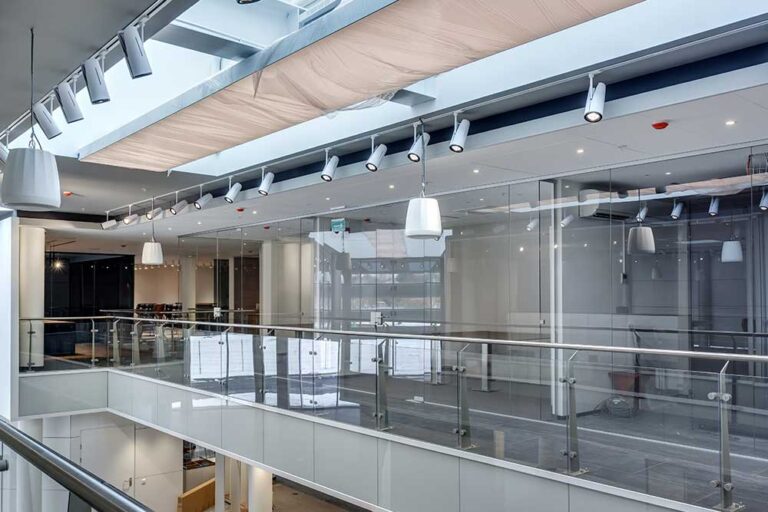
A good balcony glass railing in Dubai starts with the edge condition, fixing method, and safety glass specification before the final look is chosen. Villas, apartments, penthouses, terraces, and residential towers all need a railing system that suits the slab or curb, manages outdoor exposure, resists daily use, and keeps cleaning and future maintenance realistic.
For most projects, the practical route is to review glass handrail systems, balustrade systems, glass railing installation, and any surrounding waterproofing, tile, aluminium, or facade details together before fabrication starts.
Where balcony glass railings add the most value
Glass railings are often selected because they protect an exposed edge without blocking the view. In Dubai homes and residential buildings, that usually means balconies, stair landings, roof terraces, pool decks, garden edges, mezzanines, and villa outdoor areas where openness matters.
The best railing system should feel visually light but technically resolved. It needs to handle everyday leaning, wind exposure, cleaning, water movement, and the way residents use the balcony with furniture, planters, doors, and screens nearby.
- Villa balconies and terraces where views and outdoor seating matter.
- Apartment and penthouse balconies that need clean edge protection.
- Staircases, mezzanines, and internal voids where daylight should stay open.
- Pool decks and landscaped areas that need a transparent safety barrier.
- Hospitality and serviced apartment balconies where durability and appearance both matter.
Start with the substrate and fixing method
The railing design depends heavily on what the glass will fix into. A side-mounted system, floor channel, post-supported railing, or framed balustrade can all be appropriate, but each one needs a different site condition. The concrete edge, waterproofing, tile build-up, curb height, slab depth, and nearby drainage can affect both safety and appearance.
This is why balcony railing planning should happen before final floor finishes wherever possible. If the balcony is already finished, the site survey should check whether drilling, anchoring, waterproofing protection, and access can be handled without damaging tiles, membranes, thresholds, or facade finishes.
- Confirm slab, curb, or wall condition before selecting the railing style.
- Review whether floor-mounted, side-mounted, channel, or post-supported fixing is suitable.
- Coordinate waterproofing, tile finish, drainage outlets, and door thresholds early.
- Check whether the installation affects facade panels, aluminium frames, or balcony doors.
Choose safety glass for barrier performance
Balcony railings are barrier applications, so glass selection should be treated carefully. The project team should review glass build-up, panel height, exposed edges, support type, handrail requirement, loading expectations, wind exposure, and post-breakage behaviour before ordering panels.
Many railing projects compare toughened, laminated, or toughened-laminated safety glass depending on the design. If the railing protects a fall edge, the discussion should include how the glass behaves if damaged, not only how strong it is on day one. For a broader comparison, review toughened vs laminated glass in Dubai before final specification.
- Confirm the required glass build-up for the location and fixing method.
- Review laminated safety glass where post-breakage retention is important.
- Avoid oversized panels without checking handling, access, and support spacing.
- Protect exposed glass edges from impact, furniture, planters, and cleaning equipment.
Handrail, frameless, or post-supported system?
A fully frameless glass railing can look clean, but it is not always the best route for every site. Some balconies benefit from a top handrail, side posts, stainless steel or aluminium framing, or a more robust visible support detail because of substrate limits, maintenance needs, budget, or building-management requirements.
The right choice should balance appearance with installation practicality. For example, a villa terrace with a strong concrete upstand may suit a different system than a finished apartment balcony where waterproofing and access restrictions are more sensitive.
- Frameless channel systems for a clean view where the base condition supports it.
- Post-supported railings where visible structure is acceptable or practical.
- Top handrails where grip, protection, or building requirements point that way.
- Side-mounted systems where floor finish, drainage, or usable balcony depth matters.
Outdoor Dubai conditions change the maintenance plan
Balcony glass is exposed to dust, humidity, sea air in some areas, sprinkler water, planter overflow, cleaning chemicals, and occasional impact from furniture or maintenance equipment. These conditions make hardware finish, sealant quality, edge protection, and cleaning access important from the start.
A railing that is hard to clean or inspect can become a long-term problem even if it looks excellent after installation. Plan how residents or maintenance teams will reach both sides of the glass, inspect channels and brackets, and spot chips, loose fittings, corrosion, or sealant failure early.
- Select hardware and finishes suitable for outdoor exposure.
- Keep drainage paths clear around channels, posts, and balcony edges.
- Avoid trapping water against fixings, tiles, and waterproofing details.
- Inspect brackets, channels, handrails, and exposed edges regularly.
Apartment and tower projects need approvals and access planning
Apartment balcony work often involves building-management approval, working-hour limits, lift access, parking access, noise controls, protection of common areas, and rules around external appearance. In towers, panel size, delivery route, floor level, and whether installation happens from inside the unit can all affect cost and timing.
For live residential buildings, the quote request should include the community or building name, floor level, balcony photos, access notes, and whether any old railing needs removal. If the railing connects visually to an exterior elevation, coordinate it with facade glass replacement or aluminium and glass works requirements where relevant.
- Check landlord, developer, community, or building-management approvals early.
- Confirm lift dimensions, service access, parking, and loading route.
- Protect finished floors, walls, doors, and common areas during installation.
- Plan removal and disposal if an old metal or glass railing is being replaced.
What to send before requesting a railing quote
A useful quote starts with clear photos and basic dimensions. Send wide balcony photos, close-ups of the edge, approximate length, required height if known, floor level, location, access constraints, and whether the work is new installation or replacement.
If drawings are available, include plans, elevations, sections, slab details, waterproofing notes, and any building-management requirements. Also mention whether the project relates to a villa, apartment, hotel, serviced residence, or broader residential villa and apartment upgrade.
- Straight-on and side photos of the balcony, terrace, stair, or pool edge.
- Approximate total length, corners, height, and preferred railing style.
- Close-ups of slab edge, tile, curb, waterproofing, and drainage details.
- Property location, floor level, access route, and working-hour restrictions.
- Notes on whether old railing removal, urgent replacement, or matching is required.
How Glass World can help
Glass World supports balcony glass railing, balustrade, handrail, pool fence, stair glass, fabrication, and installation planning across Dubai and the UAE. The team can review the site condition, recommend a practical glass and fixing route, coordinate related aluminium or facade details, and help plan installation around residential or commercial access constraints.
The next step is to share photos, dimensions, location, access notes, and any approval requirements. Glass World can then guide the scope toward a railing system that looks open, performs safely, and can be maintained after handover.
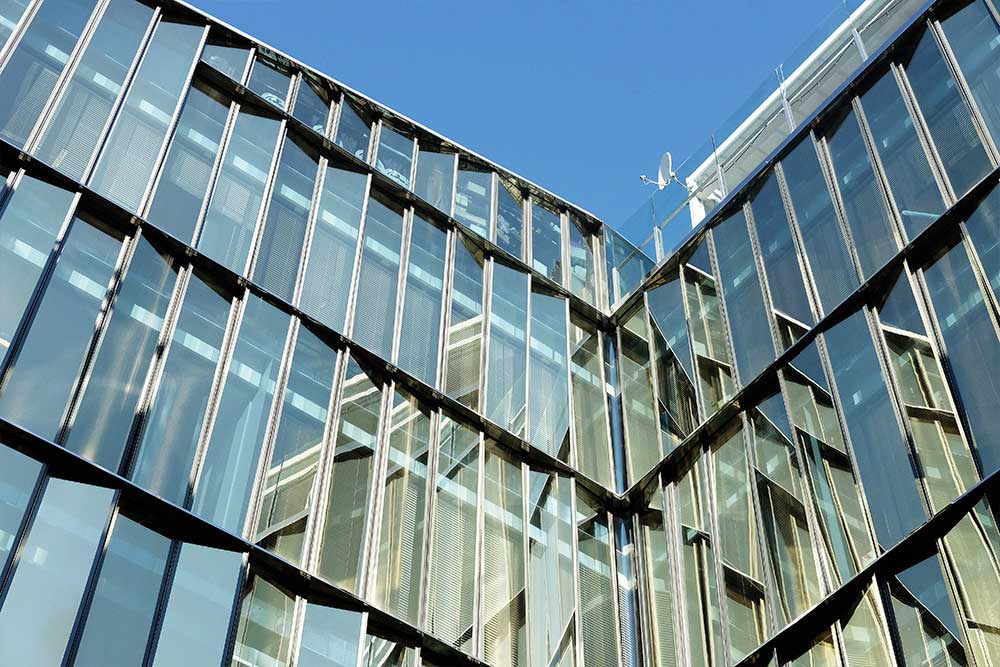
Facade Glass Replacement Cost in Dubai: Budget and Access Guide
Plan facade glass replacement cost in Dubai with practical guidance on glass matching, access, lifting, surveys, permits, programme risks, and comparable quotations.
Read article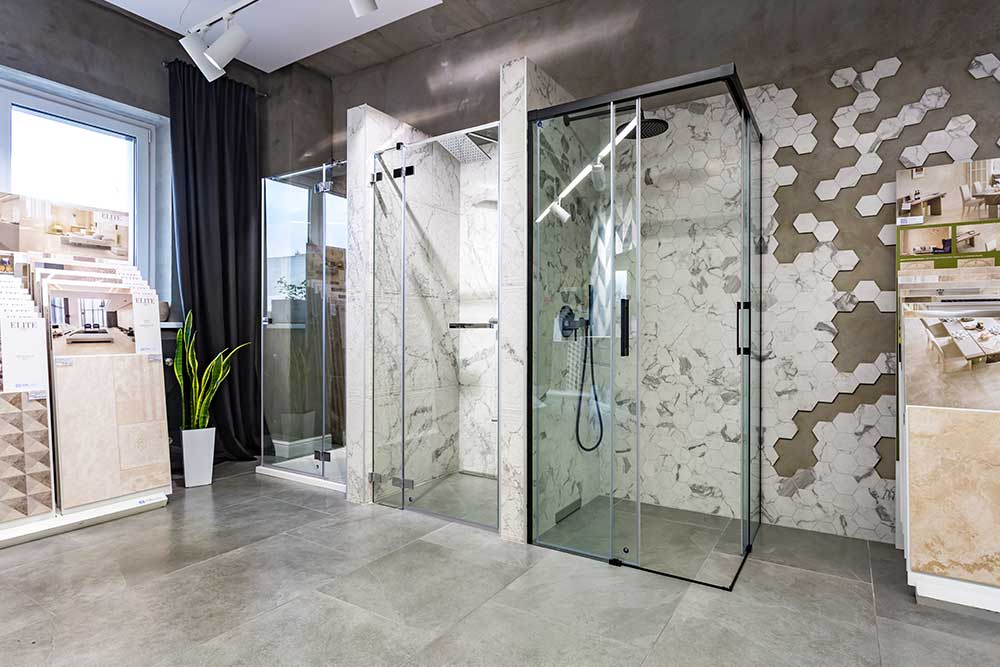
Shower Glass Cost in Dubai: Quote and Installation Budget Guide
Understand shower glass cost in Dubai with a practical guide to enclosure layouts, glass, hardware, measurement, installation, quote comparisons, and bathroom project budgets.
Read article
Balcony Glass Enclosure in Dubai: Sliding and Folding System Guide
Plan a balcony glass enclosure in Dubai with practical guidance on sliding and folding systems, approvals, safety glass, heat, ventilation, drainage, access, and quotations.
Read article