
Glass and Aluminium Maintenance Contract in Dubai: Commercial AMC Guide
Plan a glass and aluminium maintenance contract in Dubai with practical guidance on asset surveys, preventive visits, emergency response, exclusions, reporting, and commercial AMC quotations.
Quick answer
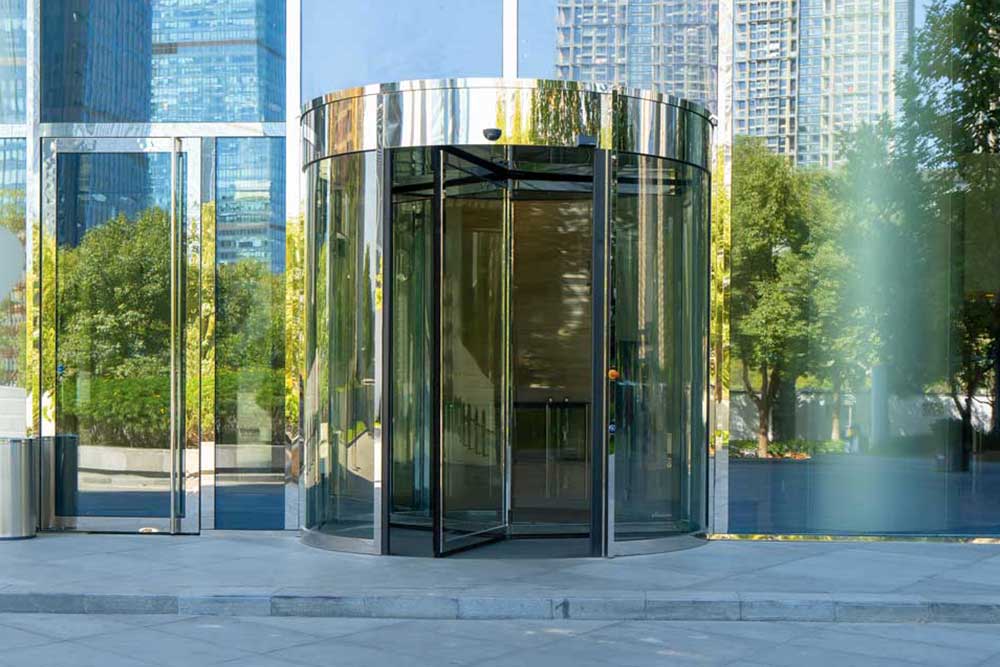
A glass and aluminium maintenance contract in Dubai gives a commercial property a planned way to inspect, adjust, repair, and document frequently used doors, windows, partitions, shopfronts, railings, and facade interfaces. The most useful annual maintenance contract (AMC) is based on an asset register and agreed service levels, not a vague promise to attend whenever something fails.
Glass World supports planned and reactive maintenance for offices, hotels, retail properties, residential buildings, schools, healthcare facilities, and other sites across Dubai. Before requesting an AMC price, list the assets, usage, known faults, access constraints, response expectations, and whether consumables, replacement glass, specialist access, and after-hours work should be included or quoted separately.
What a commercial glass and aluminium AMC can cover
The contract scope should identify each maintained system and the tasks expected at every visit. Typical assets include hinged and sliding glass doors, aluminium entrance doors, windows, internal partitions, shower enclosures, mirrors, shopfronts, balustrades, canopies, curtain-wall interfaces, and automatic entrances. Different assets need different inspection frequencies and specialist skills.
Routine work may include visual safety checks, alignment, tightening accessible fixings, testing locks and handles, checking rollers and tracks, inspecting seals and gaskets, reviewing drainage paths, identifying corrosion or loose trims, and recording damaged glass. Cleaning is often a separate facilities-management activity, while glass replacement, major hardware, powered-door parts, scaffolding, and rope access are commonly treated as additional works unless expressly included.
- Doors, windows, partitions, shopfronts, railings, mirrors, and facade glazing.
- Planned inspections, minor adjustments, lubrication where appropriate, and condition reporting.
- Reactive call-outs with defined response targets and escalation contacts.
- Quoted remedial work for replacement glass, hardware, seals, access, or fabrication.
Start with an asset survey and condition baseline
A reliable quotation starts with a site survey. Record every relevant asset by location, type, approximate size, glass make-up where known, frame or hardware system, current condition, usage level, and access requirement. Numbering entrances, doors, elevations, or rooms makes later reports and approvals much clearer than descriptions such as ‘the lobby door.’
The baseline survey should separate immediate safety concerns from wear that can be monitored. Cracked glass, loose railing panels, failing overhead glazing, doors that do not close safely, exposed sharp edges, and unstable fittings need prompt action rather than waiting for the first routine visit. Existing defects should be photographed and agreed before the AMC begins so responsibility is clear.
Set preventive visit frequencies by risk and usage
A busy mall entrance or hotel lobby door experiences more cycles than a meeting-room partition, and exposed facade seals face different conditions from indoor glazing. Visit frequency should reflect operating hours, footfall, exposure, asset age, manufacturer guidance, past failures, and the consequence of downtime. One schedule for every asset can waste effort on low-risk items while missing heavily used assemblies.
Monthly or quarterly attention may be appropriate for critical, high-cycle entrances, while lower-use internal assets may suit longer intervals. The contract should also explain how observations trigger a change in frequency. Repeated alignment issues, water ingress, corrosion, loose hardware, or seal deterioration are signals to investigate the root cause rather than repeatedly making the same minor adjustment.
Define preventive maintenance tasks clearly
A checklist should match each system. For doors, review clearances, closing action, floor springs or closers, pivots, hinges, rollers, tracks, locks, handles, seals, thresholds, and glass condition. For windows, inspect operation, restrictors, handles, locks, drainage, perimeter seals, gaskets, frame joints, and signs of misting or water entry. The aluminium window repair guide explains common failure points.
For partitions, shopfronts, railings, and facade areas, check accessible channels, cover caps, joints, manifestations, brackets, clamps, gaskets, sealants, and evidence of movement or impact. Maintenance must not disguise an underlying structural, waterproofing, or specification problem. When specialist diagnosis is needed, the report should identify the concern, restrict use if necessary, and recommend the next investigation.
Agree emergency response and temporary safety measures
Reactive service levels should distinguish a safety-critical incident from an operational inconvenience. Broken entrance glass, an unsecured shopfront, a loose overhead panel, or an unsafe railing requires a different response from a stiff window handle. Define the call channel, coverage hours, acknowledgement target, attendance target, site contact, authority to make safe, and approval route for permanent repairs.
Making safe may involve isolating an area, removing unstable fragments, protecting sharp edges, boarding an opening, or securing a door until measured replacement glass or hardware is available. Temporary work should be documented with photographs, restrictions, and a follow-up action. For retail breakage, see the emergency shopfront glass replacement guide.
Clarify inclusions, exclusions, and spare parts
The lowest annual fee is not necessarily the lowest operating cost. Confirm whether call-out labour, routine consumables, parking, delivery, night work, permits, access equipment, replacement parts, disposal, and return visits are included. State whether the contractor may complete minor work up to an agreed value or must obtain a purchase order for every item.
Glass panels and many architectural hardware components are not universal stock items. They may require final measurement, thickness and glass-type confirmation, machining details, finish matching, and fabrication lead time. A critical-spares review can identify practical items to hold on site, but ordering unverified glass, floor springs, rollers, or locks creates its own risk. Keep approved specifications and previous replacement records with the asset register.
Coordinate access, permits, and occupied buildings
Dubai commercial sites often require security passes, permits to work, method statements, risk assessments, lift bookings, loading-bay slots, work-zone barriers, and restricted hours. Hotels, clinics, schools, offices, and malls may also need quiet working, dust control, guest or tenant notices, and daily reinstatement. Include these rules in the tender so the programme and price reflect real access conditions.
High-level facade work, canopies, atriums, and difficult external glazing may need mobile access equipment, scaffolding, cradles, or rope access glass services. These methods require separate planning and may not belong in a standard routine visit. The asset survey should flag every location that cannot be safely reached from floor level.
Require useful reports and maintenance records
Each planned visit should produce a dated report showing assets inspected, tasks completed, defects found, photographs, risk priority, temporary actions, recommended repairs, and items awaiting approval. Closed-loop reporting matters: once a repair is approved, its completion and any new specification should update the asset history.
Over time, consistent records reveal recurring failures, high-cost assets, parts consumption, response performance, and candidates for replacement. They also help facility managers prepare budgets and hand over information between teams. A list of unchecked boxes is less valuable than a concise condition report that tells the client what is safe, what needs action, and by when.
Compare AMC quotations on the same scope
Give each contractor the same asset schedule, site rules, visit frequencies, response levels, reporting template, and commercial assumptions. Ask bidders to price preventive visits, included reactive attendance, after-hours rates, specialist access, common labour categories, mark-ups, and representative replacement items separately. This exposes exclusions that a single annual total can hide.
Review competence for the actual asset mix, not only the price. The team maintaining automatic doors may need different capabilities from the team inspecting curtain walls or fabricating custom safety glass. Ask who attends emergencies, how work is supervised, how glass specifications are verified, how reports are issued, and how urgent recommendations are escalated.
When planned replacement is better than repeated repair
An AMC should reduce unplanned failures, but it cannot make every ageing assembly economical to retain. Repeated roller failures, obsolete hardware, distorted frames, widespread seal breakdown, persistent leakage, damaged finishes, non-compliant glass, or doors that cannot meet operational needs may justify planned replacement. Lifecycle decisions should consider safety, downtime, energy performance, appearance, parts availability, and total repair history.
Bundling planned replacements can improve surveying, procurement, access, tenant coordination, and consistency. Glass World can coordinate door and window alignment, facade glass replacement, custom fabrication, seals, hardware, and aluminium works where the condition report shows repair is no longer the best option.
Request a glass and aluminium AMC quotation in Dubai
Prepare a site list, asset register if available, recent defect history, operating hours, access rules, expected visit frequency, emergency response requirement, current photographs, and the desired contract term. If no register exists, start with a survey so bidders price the same measurable scope.
Glass World can assess commercial and residential common-area assets, recommend a practical preventive schedule, document priority repairs, and provide a clear maintenance proposal. Share the Dubai property location, building type, approximate number of doors, windows and glazed areas, critical assets, access constraints, and procurement deadline to arrange the next step.
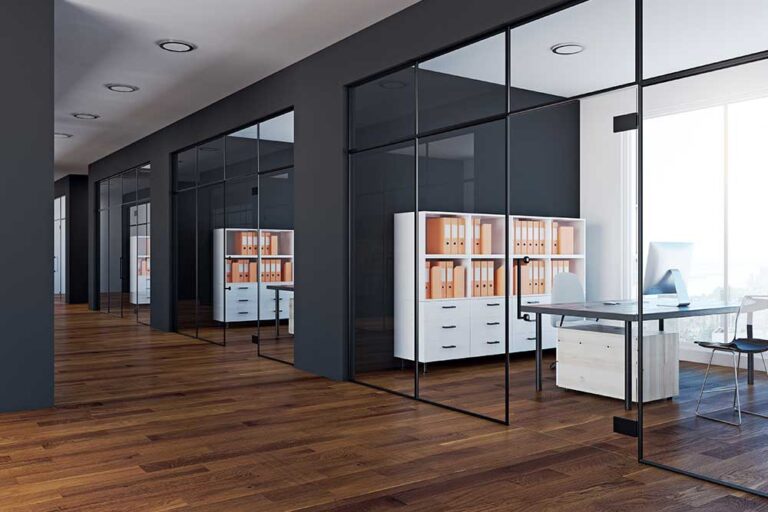
Glass Partition Cost in Dubai: Office Fit-Out Quote Planning Guide
Understand glass partition cost in Dubai with a practical guide to system choice, glass, doors, privacy, acoustics, access, quantities, and comparable fit-out quotations.
Read article
Aluminium Shopfront Door Repair in Dubai: Retail Entrance Planning Guide
Plan aluminium shopfront door repair in Dubai with practical guidance on closers, pivots, locks, frames, glass, mall access, and repair-versus-replacement decisions.
Read article
Glass Roof Pergola in Dubai: Design and Installation Planning Guide
Plan a glass roof pergola in Dubai with practical guidance on safety glazing, aluminium structure, heat control, drainage, access, maintenance, and accurate quotations.
Read article