
Emergency Shopfront Glass Replacement in Dubai: Retail Breakage Planning Guide
Plan emergency shopfront glass replacement in Dubai with practical guidance on securing broken glass, matching panels, access, safety glass, mall coordination, and reopening faster.
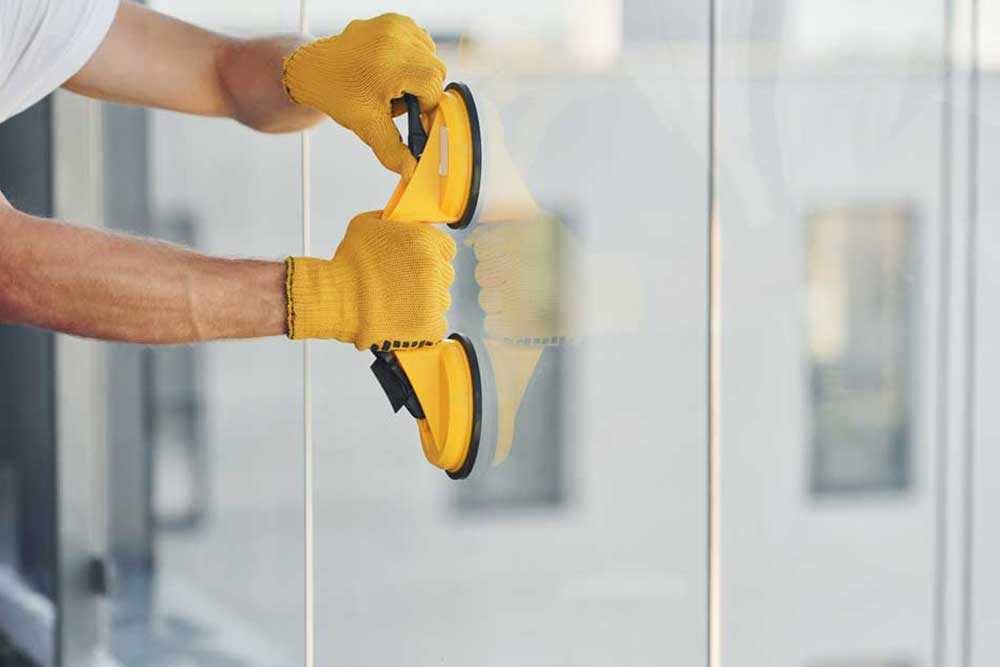
Quick answer
Emergency shopfront glass replacement in Dubai should start with safety, access control, and a clear replacement brief. A cracked or shattered retail panel is not only a glass problem; it can affect customer safety, mall approvals, air-conditioning loss, security, branding, trading hours, and the ability to reopen on schedule.
For boutiques, restaurants, clinics, banks, salons, showrooms, and mall stores, the practical route is to secure the area first, document the panel and frame, then coordinate glass replacement, shopfront glass systems, retail shopfront installation, and any related aluminium or automatic door work together.
What to do immediately after shopfront glass breaks
The first priority is to keep people away from the damaged area. Do not let staff, customers, cleaners, or security teams stand close to cracked glass, leaning panels, exposed edges, or loose fragments. Even if the glass is still partly in the frame, movement from doors, wind pressure, cleaning, or vibration can make the condition worse.
Take wide photos and close-up photos before the area is cleaned, if it is safe to do so. These images help the replacement team understand the size, glass type, frame condition, breakage pattern, and whether temporary boarding or urgent removal is needed before final installation.
- Keep customers and staff away from the damaged panel.
- Do not push, tape, or lean against cracked glass.
- Photograph the full shopfront, frame, corners, handles, door line, and broken area.
- Check whether the store needs temporary securing after trading hours.
- Notify mall management, building security, landlord, or insurer where required.
Identify whether it is glass only or a full shopfront issue
Some emergency jobs are straightforward glass replacement. Others reveal damage to aluminium framing, door closers, patch fittings, locks, seals, signage fixings, or automatic entrance equipment. If the panel broke because of impact, forced entry, frame movement, or door misalignment, simply installing a new pane may not solve the cause.
A site check should review the complete opening: frame plumbness, channels, gaskets, door swing, sliding track, lock alignment, floor closer area, thresholds, and adjacent panels. This is especially important for busy retail entrances where automatic doors, swing doors, and fixed glass panels meet in one frontage.
- Check whether aluminium profiles are bent, loose, scratched, or separated.
- Review door movement, locks, handles, hinges, pivots, and closers.
- Confirm whether signage, decals, or branding must be replaced with the glass.
- Look for sealant failure, water entry, or frame movement around the break.
Match the replacement glass correctly
Retail glass usually needs to match both performance and appearance. Thickness, size, tint, clarity, edge finish, hole positions, cut-outs, film, logo decals, and hardware locations all matter. A panel that is almost correct can still create delays if the patch fitting, handle, lock, or frame channel does not line up.
Safety glass selection should be checked before fabrication. Many shopfronts use toughened, laminated, or toughened-laminated glass depending on panel size, exposure, door hardware, security requirement, and building rules. For a practical comparison, review toughened vs laminated glass in Dubai before approving the final specification.
- Confirm glass thickness, width, height, tint, clarity, and edge finish.
- Measure holes, notches, cut-outs, patch fittings, handles, and lock positions.
- Check whether the glass needs film, frosting, manifestation dots, or logo decals.
- Review laminated glass where security, retention, or post-breakage behaviour matters.
- Avoid ordering from photos alone when hardware alignment is critical.
Mall and retail environments need coordination
Mall stores and managed retail buildings often need approval before work starts. The replacement team may need permits, contractor registration, delivery access, loading bay timing, after-hours installation, work method statements, insurance documents, noise controls, and protection for common-area flooring.
These requirements can affect both timeline and price. A replacement that seems simple at street level may need night work in a mall, while a high street showroom may need traffic access planning, temporary barriers, or coordination with security shutters and signage contractors.
- Confirm mall or building approval requirements before scheduling installation.
- Plan loading bay, service lift, parking, and after-hours access.
- Protect finished floors, shop displays, counters, and common corridors.
- Coordinate with security, landlord, insurer, signage contractor, and fit-out team.
- Keep trading impact clear: temporary closure, partial access, or after-hours work.
Temporary securing can be as important as final replacement
If final glass cannot be fabricated and installed immediately, the store may need temporary securing. Depending on the breakage, this can include safe removal of unstable fragments, temporary boarding, protective barriers, warning signage, controlled access, or temporary closure of part of the frontage.
Temporary measures should not damage the aluminium frame, flooring, shopfront finishes, or surrounding facade. They should also account for overnight security, weather exposure, dust, air-conditioning loss, and whether customers can safely enter through another door.
- Decide whether unstable glass needs controlled removal before replacement.
- Use temporary barriers or boarding where the opening cannot remain exposed.
- Keep the store secure after hours if the frontage cannot be fully restored immediately.
- Avoid quick fixes that damage frames, seals, doors, or finished surfaces.
Plan the replacement around reopening
A strong emergency brief should work backward from the reopening target. If the store must open the next morning, the team needs to know access hours, panel dimensions, glass availability, whether the panel is standard or custom, and whether temporary securing is acceptable until final glass is ready.
For multi-panel frontage damage, larger showroom glass, curved layouts, or doors with hardware cut-outs, the schedule should include site measurement, fabrication, transport, lifting, installation, sealant curing, cleaning, and any branding or film work. Large panels may also require additional labour and route planning.
- Share the deadline: same day, overnight, next trading day, or planned replacement.
- Confirm whether the store can trade with temporary protection in place.
- Flag oversized glass, upper-floor access, narrow corridors, or lift restrictions.
- Include cleaning, disposal, decals, film, and final inspection in the scope.
What to send before requesting an urgent quote
The fastest quote starts with clear site information. Send a full shopfront photo from outside, close-ups of the broken glass, approximate panel width and height, store name, location, mall or building name, floor level, access restrictions, and whether the panel is fixed glass, a door leaf, or part of an automatic entrance.
If drawings, old invoices, glass markings, or mall fit-out manuals are available, include them. For broader retail upgrades, connect the repair with retail and mall shopfront planning, aluminium and glass works, or door and window alignment where the breakage relates to frame or door movement.
- Wide exterior photo and close-ups of glass, frame, hardware, and breakage.
- Approximate width, height, thickness if known, and whether glass is tinted or clear.
- Store location, mall or building name, floor level, and access notes.
- Whether urgent temporary securing, removal, disposal, or after-hours work is needed.
- Any requirements from mall management, landlord, insurer, or security team.
How Glass World can help
Glass World supports emergency glass replacement, retail shopfront glass, aluminium framing, automatic door coordination, glass fabrication, and commercial access planning across Dubai and the UAE. The team can review the damaged condition, advise whether temporary securing is needed, measure for replacement, and help coordinate the final installation around trading hours.
The next step is to send photos, approximate dimensions, location, access notes, and the urgency level. Glass World can then guide the scope toward a safe, practical replacement route that protects customers, staff, and the store schedule.
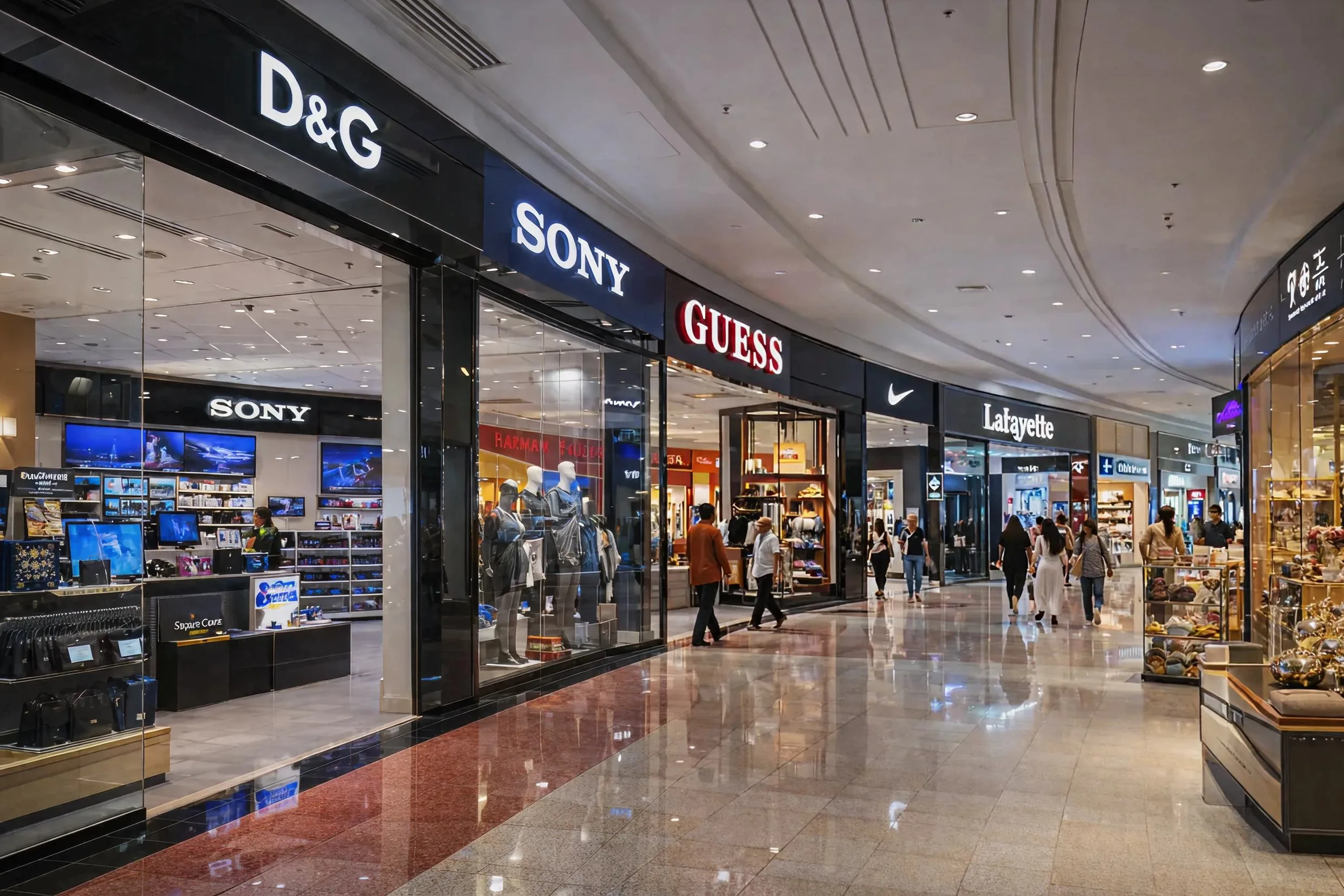
Shopfront Glass Cost in Dubai: Retail Installation and Replacement Guide
Plan shopfront glass cost in Dubai with practical guidance on glass specifications, aluminium framing, doors, mall approvals, access, installation, replacement, and comparable quotations.
Read article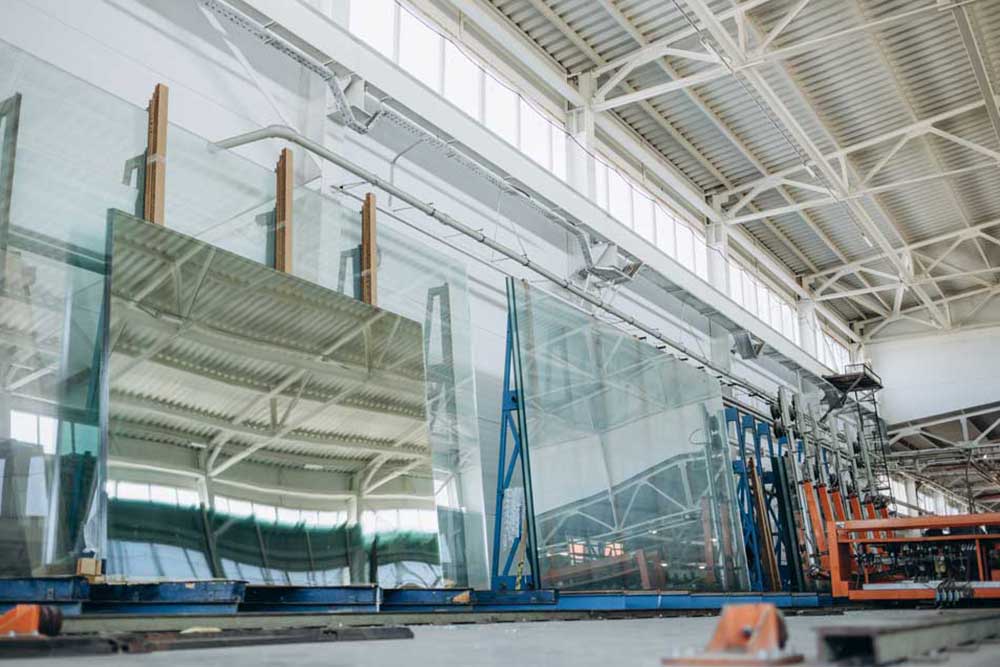
Glass Cut to Size in Dubai: Custom Fabrication and Measurement Guide
Order glass cut to size in Dubai with practical guidance on measurements, glass type, thickness, polished edges, holes, templates, safety, lead times, and quotations.
Read article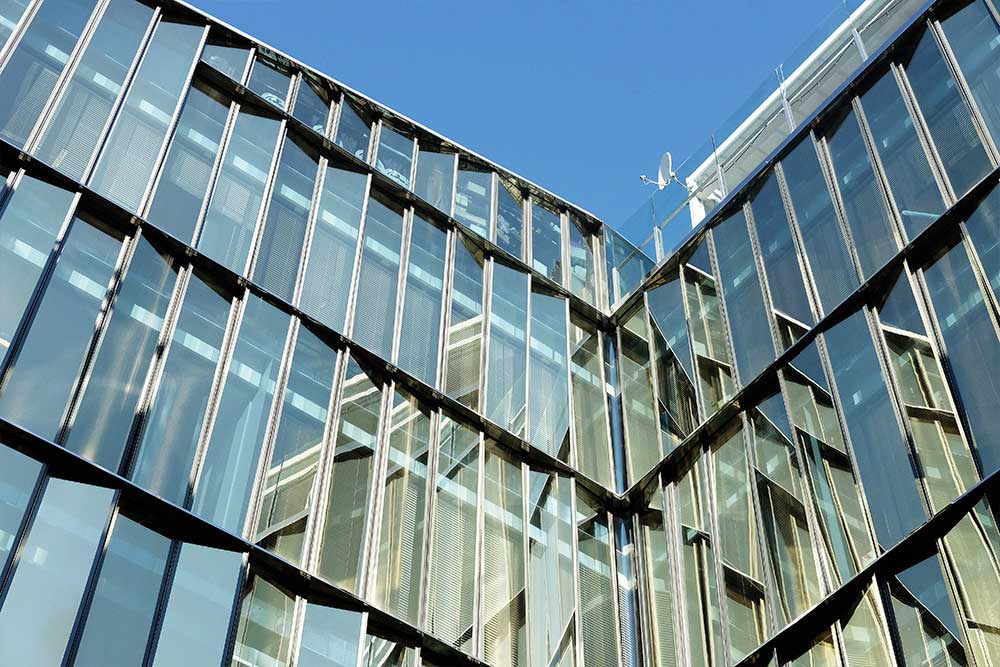
Facade Glass Replacement Cost in Dubai: Budget and Access Guide
Plan facade glass replacement cost in Dubai with practical guidance on glass matching, access, lifting, surveys, permits, programme risks, and comparable quotations.
Read article