
Glass Scratch Repair in Dubai: Polishing, Replacement, and Prevention Guide
Plan glass scratch repair in Dubai with practical guidance on polishing, replacement, safety glass checks, commercial access, and prevention for homes, shops, offices, and hotels.
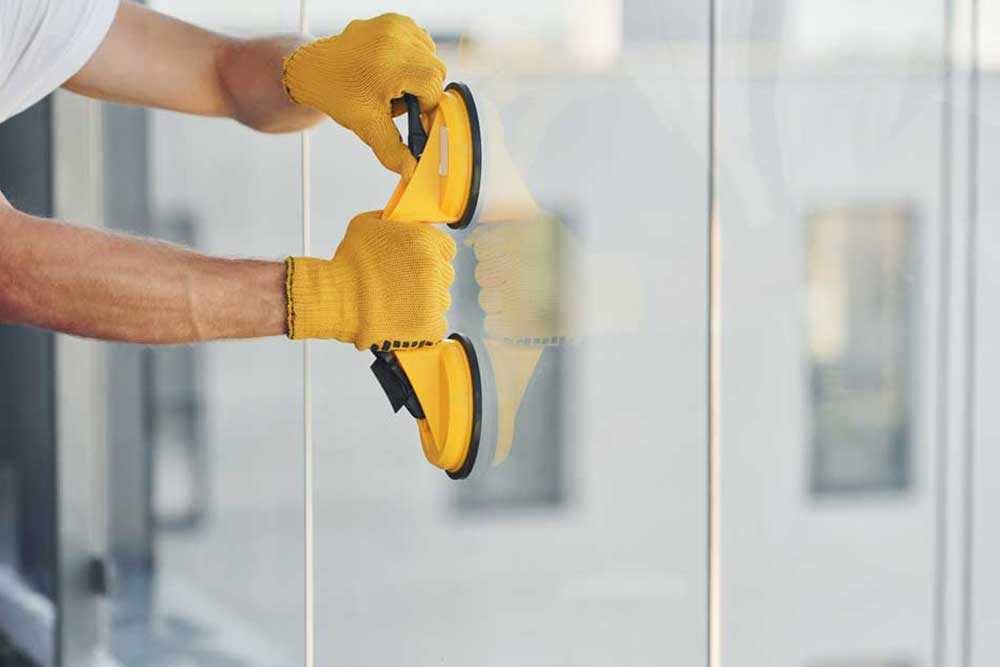
Quick answer
Glass scratch repair in Dubai starts with identifying whether the mark is a light surface scratch, deep damage, coating damage, edge damage, or a symptom of larger impact. Light scratches on some clear glass surfaces may be improved with specialist polishing, but deep scratches, damaged safety glass, coated glass, mirrors, shopfront panels, shower glass, or facade glass often need replacement instead of aggressive polishing.
For villas, apartments, offices, malls, hotels, gyms, clinics, restaurants, and residential towers, the practical route is to document the glass type, location, depth of damage, access constraints, and safety risk before deciding between glass replacement, custom glass fabrication, polishing, or a wider aluminium and glass repair.
When polishing may be possible
Polishing is most realistic when the scratch is shallow, away from exposed edges and holes, and on a glass surface that does not have a delicate coating, film, mirror backing, ceramic print, tint, or special finish. A quick field check is whether a fingernail catches strongly in the scratch. If it does, the damage is usually deeper than a cosmetic haze and may remain visible even after polishing.
The goal of polishing is improvement, not magic. Removing too much material from one area can create distortion, visible waviness, heat marks, or uneven reflection. That matters on reception glass, shopfront glass, mirrors, tabletops, shower panels, and building elevations where the surface is viewed from different angles.
- Light surface marks from cleaning tools, dust, or minor abrasion.
- Interior panels where small optical distortion would not create a safety issue.
- Glass surfaces without sensitive coatings, films, mirror backing, prints, or tint layers.
- Damage away from hardware holes, exposed corners, polished edges, and load points.
When replacement is the better answer
Replacement is usually the safer choice when the scratch is deep, close to an edge, combined with chips or cracks, or located on glass that provides safety, security, weather sealing, or barrier protection. Scratched toughened, laminated, insulated, shower, railing, door, shopfront, or facade glass should be reviewed as a system instead of treated as a simple surface blemish.
If the glass is already cracked, chipped, delaminated, fogged, loose, or rubbing against hardware, polishing will not solve the root problem. In those cases, the better brief may include toughened glass, laminated glass, clear glass, insulated glass, new seals, adjusted hardware, or aluminium frame repair.
- A fingernail catches in the scratch or the mark looks white, sharp, or gouged.
- Damage sits near a corner, drilled hole, notch, hinge, patch fitting, clamp, or roller rail.
- The panel is part of a door, railing, shopfront, shower enclosure, facade, or overhead glass.
- The glass has coating, tint, ceramic print, mirror backing, laminated interlayer, or double glazing.
Check the glass type before approving work
The same scratch can mean different things on different glass. Ordinary clear interior glass, toughened shower glass, laminated shopfront glass, insulated window glass, tinted facade glass, decorative mirror, and ceramic back painted glass all respond differently to repair attempts. The work plan should confirm the glass build-up before anyone polishes, sands, removes, or replaces the panel.
For safety-critical locations, compare toughened vs laminated glass in Dubai before confirming a replacement. A like-for-like order may not be the best solution if the old glass was repeatedly damaged, exposed to heavy public use, or no longer matches the building's current risk profile.
- Confirm whether the panel is annealed, toughened, laminated, insulated, tinted, coated, or mirrored.
- Check thickness, size, edge finish, holes, cut-outs, hardware positions, and markings.
- Review whether scratches are on the room side, exterior side, interlayer side, or backing side.
- Photograph labels, stamps, glass markings, old invoices, drawings, or building manuals if available.
Common Dubai scratch problems
Dubai glass often faces dust, sand, frequent cleaning, fit-out activity, moving furniture, retail displays, hard-water spotting, and heavy public use. Many scratches come from dry wiping dusty glass, abrasive pads, poor squeegee blades, construction debris, metal tools, careless sticker removal, or doors and windows rubbing because alignment has shifted.
On commercial sites, the scratch source matters as much as the repair. A polished panel can be marked again if cleaning teams continue using abrasive tools, if a sliding door still drags, if display fixtures touch shopfront glass, or if renovation work is not separated from finished glazing.
- Dry wiping dusty exterior glass, balcony glass, shopfronts, and lobby doors.
- Abrasive pads used on shower glass, mirrors, stainless steel, or hard-water marks.
- Furniture, trolleys, signage, retail displays, or gym equipment touching glass.
- Sliding doors, rollers, locks, hinges, or aluminium frames rubbing against the panel.
- Construction cleaning after fit-out, painting, silicone work, tile cutting, or facade maintenance.
Residential, retail, and hospitality priorities
In homes and apartments, the usual concerns are shower screens, balcony glass, mirrors, doors, tabletops, and windows. The decision should balance appearance, safety, privacy, and cost. A small mark on an interior table top may be acceptable after improvement, while damage on a shower door, balcony panel, or child-height door glass needs a stricter review.
Retail and hospitality projects usually have a lower tolerance for visible distortion or uneven reflection. A luxury shopfront, hotel washroom mirror, restaurant glass partition, salon mirror wall, or clinic reception screen may need replacement because the brand finish matters and customers view the glass closely every day.
- For showers, review seals, hinges, hard-water marks, and shower door repair needs together.
- For shopfronts, connect scratch assessment with shopfront glass systems and access planning.
- For mirrors, inspect backing damage, edge blackening, chips, and fixing method before quoting.
- For doors and windows, check whether frame alignment is causing repeated surface contact.
How to prevent repeat scratches
Prevention is mostly about cleaning method, site protection, and hardware alignment. Rinse dusty glass before wiping, use clean microfiber cloths or suitable squeegees, avoid abrasive pads, keep metal blades away from coated or decorative glass, and protect finished panels during fit-out work. Cleaning teams should know which panels are coated, tinted, mirrored, or decorative before they start.
Where scratches come from movement rather than cleaning, review the surrounding system. Door rollers, hinges, locks, seals, floor guides, shower hardware, aluminium frames, and sliding tracks can create repeat damage if they are loose, worn, or misaligned. Related support may include door and window alignment or aluminium and glass works.
- Rinse dust and sand before wiping glass, especially on exterior-facing panels.
- Use non-abrasive cloths, clean squeegees, and approved cleaners for the glass finish.
- Protect glass during painting, tile work, joinery installation, mall fit-out, and maintenance.
- Fix rubbing frames, loose handles, dragging doors, damaged seals, and worn rollers promptly.
What to send before requesting a quote
A useful quote request includes a wide photo of the full glass area, close-ups taken from several angles, and one photo with a finger or tape measure near the damage for scale. Mention whether the scratch catches a fingernail, whether it happened during cleaning, impact, fit-out, or normal use, and whether the glass is part of a door, shower, mirror, shopfront, railing, facade, or window.
Also share the property type, location, floor level, access timing, parking or loading limits, building-management rules, and urgency. If the glass may need replacement, include approximate width and height, thickness if known, hardware details, tint or colour, and any old drawings or invoices.
- Full-area photo plus close-ups from straight-on and side angles.
- Short note on scratch depth, cause, urgency, and whether there are chips or cracks.
- Glass type, panel use, approximate size, thickness, hardware, tint, and edge condition.
- Site access details for villas, towers, malls, hotels, clinics, offices, and retail units.
How Glass World can help
Glass World supports glass scratch assessment, replacement planning, glass fabrication, shower glass, mirrors, shopfronts, doors, windows, partitions, aluminium works, and facade-related glass work across Dubai and the UAE. The team can review photos, inspect the site where needed, and recommend whether polishing, replacement, adjustment, or a broader glass package is the right route.
The next step is to share clear photos, damage notes, location details, and access requirements. Glass World can then help plan a practical repair or replacement scope that restores appearance without creating avoidable safety, distortion, or repeat-damage problems.
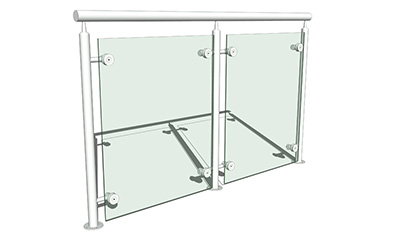
Pool Glass Fence Repair in Dubai: Gate Alignment and Safety Guide
Plan pool glass fence repair in Dubai with practical guidance on self-closing gates, alignment, clamps, channels, safety glass, corrosion, and replacement decisions.
Read article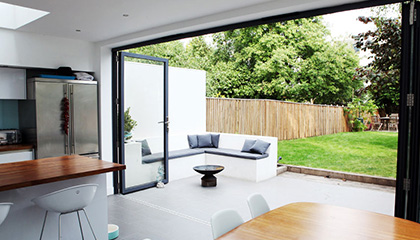
Aluminium Bifold Door Repair in Dubai: Rollers, Alignment, and Replacement Guide
Plan aluminium bifold door repair in Dubai with practical guidance on rollers, tracks, hinges, alignment, locks, seals, glass, and replacement decisions.
Read article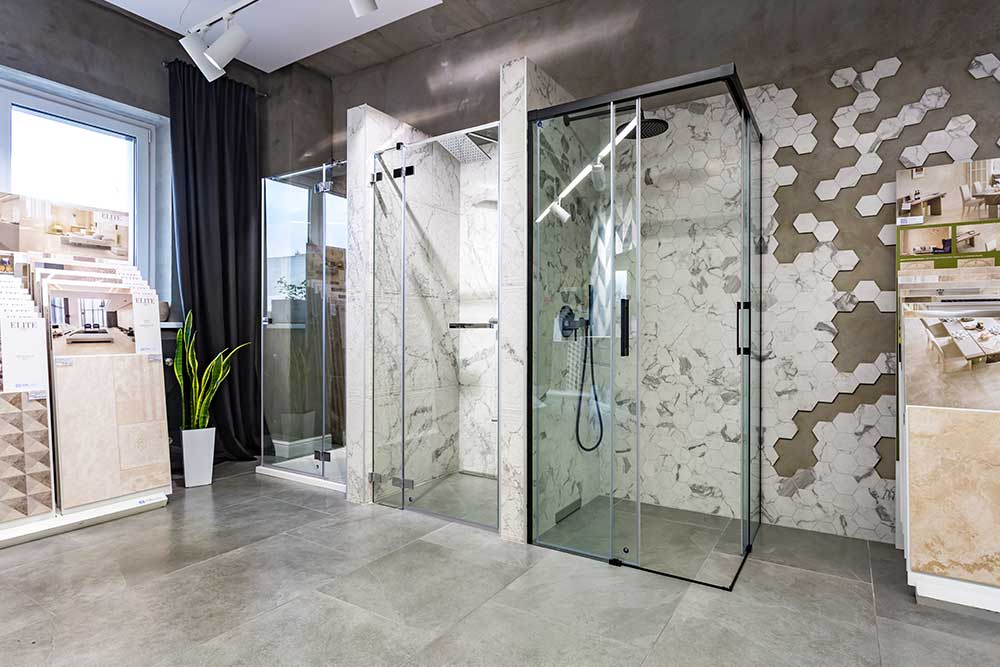
Walk-In Shower Glass in Dubai: Measurement and Installation Guide
Plan walk-in shower glass in Dubai with practical guidance on layouts, final measurement, safety glass, water control, hardware, installation, and quotation details.
Read article