
Gym Mirror Installation in Dubai: Fitness Studio and Home Gym Planning Guide
Plan gym mirror installation in Dubai with practical guidance on mirror sizing, wall checks, safety, fixing, lighting, cleaning, replacement, and access for studios, villas, hotels, and fitness rooms.
Quick answer
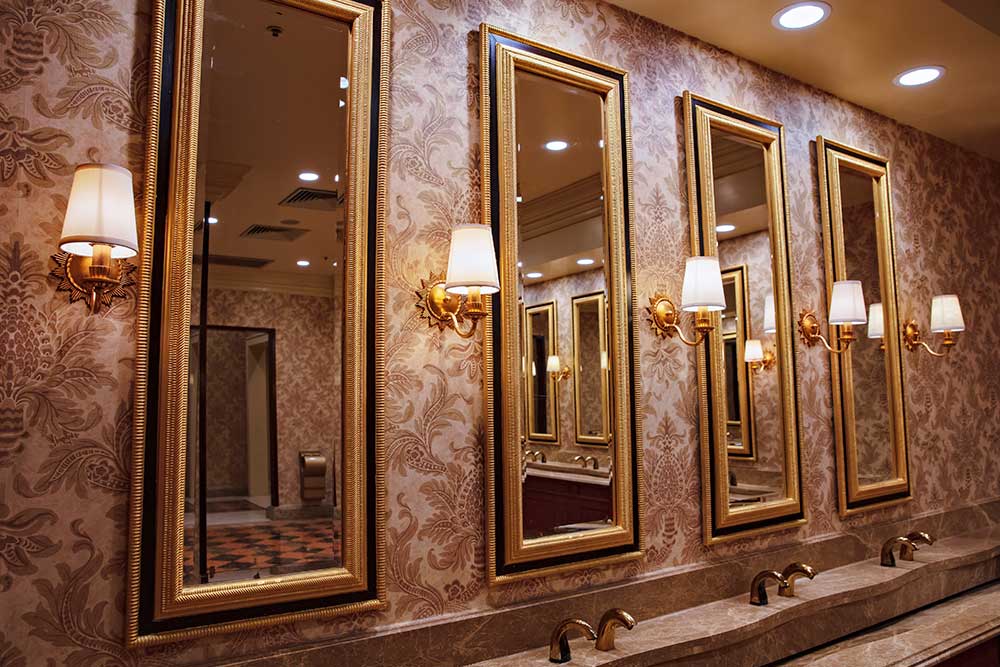
Gym mirror installation in Dubai should be planned around wall flatness, mirror size, reflection lines, lighting, safety, fixing method, edge protection, cleaning access, and how people move through the training area. A fitness mirror wall that looks simple in a photo can fail in daily use if panels distort, joints sit at eye level, backing is exposed to moisture, or the fixing route does not suit the wall.
For fitness studios, villa gyms, hotel gyms, physiotherapy rooms, dance studios, salons, schools, and apartment amenity spaces, the practical route is to coordinate decorative mirrors, custom glass fabrication, safe handling, and site access before ordering large wall panels.
Where gym mirrors need the most planning
The highest-risk mirror walls are usually large, close to equipment, exposed to constant cleaning, or installed where people move quickly. Free-weight zones, personal training rooms, spin studios, boxing areas, barre rooms, yoga studios, and hotel gyms all need clearer planning than a small vanity mirror because impact risk, reflection quality, and daily cleaning are different.
A villa home gym may need fewer panels, but it can still be difficult if access is tight, the wall is uneven, or the mirror needs to work around sockets, skirting, AC controls, columns, doors, or rubber flooring. Commercial sites also need timing plans so installation does not block classes, guest access, or tenant operations.
- Fitness studios, PT rooms, hotel gyms, school gyms, and residential amenity gyms.
- Villa home gyms, garage gyms, apartment workout rooms, and wellness spaces.
- Dance, yoga, barre, pilates, boxing, martial arts, physiotherapy, and salon walls.
- Training areas with free weights, racks, benches, trolleys, or frequent public movement.
Start with the wall and reflection line
Mirror quality depends heavily on the wall behind it. Uneven plaster, bowed gypsum, proud screw heads, damp patches, loose paint, rough blockwork, and out-of-level skirting can make even a good mirror look distorted. Before confirming sizes, check whether the wall is flat enough and whether any substrate preparation is needed.
The reflection line should suit the activity. A weight training mirror may need a different height and panel layout than a dance studio or physiotherapy room. If joints fall through the most important sightline, users notice the break every day, so panel widths and vertical seams should be planned with actual use in mind.
- Check wall flatness, level, moisture, paint condition, gypsum strength, and backing support.
- Mark where users stand, sit, lift, stretch, or move across the room.
- Avoid placing vertical joints through the main instructor or training sightline where possible.
- Review sockets, switches, AC controls, columns, skirting, doors, and floor finishes before sizing.
Choose panel size, thickness, and edge finish
Large mirrors create a cleaner training space, but very large panels can be harder to fabricate, transport, lift, and install safely. Smaller panels are easier to handle, but too many joints can make the wall look busy. The right balance depends on wall length, lift access, stair turns, ceiling height, and the desired finished look.
For visible gym walls, polished edges and careful joint alignment matter. If mirrors finish near a corner, door, bench, rack, or high-traffic walkway, edge exposure should be reviewed carefully. Some projects may also need beveled mirrors, tinted mirror accents, or decorative wall coordination, but most gym walls benefit from clean, full-height clarity.
- Measure wall width, height, ceiling line, floor level, and any obstructions.
- Plan panel sizes around fabrication, lifting, elevator, corridor, and installation constraints.
- Use polished exposed edges and clean vertical joints for a professional finish.
- Confirm whether the mirror stops above skirting, reaches the floor, or sits behind a protective base trim.
Safety and fixing details
Gym mirrors should be treated as installed glass, not decoration. The fixing route has to suit the wall condition, panel size, moisture exposure, and daily use. Adhesives, mechanical support, trims, channels, backing protection, or a combined approach may be considered depending on the site and the mirror weight.
Where impact risk is higher, review the glass and mirror specification carefully. In some areas, it may be better to combine mirror work with protective layout changes, equipment spacing, bumper zones, or alternate safety glass solutions such as toughened glass or laminated glass for nearby panels, doors, and partitions.
- Confirm the wall can carry the mirror load before installation.
- Keep mirror edges away from direct equipment impact where possible.
- Use appropriate fixing, backing, trims, or supports for panel size and substrate.
- Plan safe handling paths for large mirrors from vehicle to final wall.
Lighting, AC, and cleaning access
Lighting can make or break a gym mirror wall. Strong downlights, LED strips, windows, and dark wall finishes can create glare, shadows, or visible waves across the reflection. Before installation, check how the mirror will reflect ceiling lights, outdoor brightness, signage, and equipment.
Dubai gyms also deal with humidity, sweat, dust, cleaning chemicals, and AC airflow. Mirror edges and backing should be protected from moisture, and cleaning teams should avoid abrasive pads or harsh chemicals that can damage edges, backing, or surrounding metal trims.
- Check daylight, ceiling lights, LED strips, and glare before final mirror placement.
- Keep moisture and cleaning water away from mirror edges and backing.
- Avoid abrasive cleaners, metal scrapers, and dirty cloths that can scratch the mirror surface.
- Coordinate mirrors with AC grilles, wall fans, speakers, cameras, signage, and emergency equipment.
Replacement and upgrade planning
Old gym mirrors may need replacement when they are cracked, blackened at the edges, distorted, loose, badly scratched, mismatched, or no longer aligned after a fit-out change. A replacement project should document the existing panel sizes, fixing method, wall condition, and cause of failure before new mirrors are ordered.
If equipment has changed or the room is being renovated, it may be better to redesign the mirror layout rather than copy the old panels. Review glass replacement, mirror sizing, wall repairs, lighting changes, and floor protection together so the new installation lasts longer.
- Photograph cracked, loose, blackened, scratched, cloudy, or distorted mirror panels.
- Check whether moisture, impact, wall movement, or poor fixing caused the failure.
- Measure existing panels and confirm whether a new layout would reduce awkward seams.
- Plan replacement timing around gym classes, hotel guests, tenant access, or villa handover.
What to send before requesting a quote
A useful quote request includes a wide photo of the full wall, close-ups of corners and obstructions, approximate wall width and height, ceiling height, floor finish, wall type if known, and whether the site is a villa, gym, hotel, studio, school, clinic, or commercial unit.
Also share access details such as floor level, lift size, stair turns, loading area, building rules, preferred installation time, and whether old mirrors need removal. For commercial work, mention whether installation must happen before opening, between classes, overnight, or during a fit-out handover.
- Full-wall photos, side-angle photos, and close-ups of corners, sockets, skirting, and columns.
- Approximate wall width, height, mirror coverage area, and preferred joint direction.
- Site type, location, floor level, lift access, parking, and working-hour restrictions.
- Notes on old mirror removal, wall repair, lighting changes, or related glass work.
How Glass World can help
Glass World supports custom gym mirror installation, decorative mirrors, wall mirror replacement, glass fabrication, glass doors, partitions, and related interior glass work across Dubai and the UAE. The team can review photos, confirm whether a site visit is needed, and recommend a practical panel layout and fixing approach for the space.
The next step is to share photos, wall dimensions, access details, and the type of activity that will happen in front of the mirrors. Glass World can then help plan a mirror wall that looks clean, reflects accurately, and is realistic to install and maintain.
Aluminium Shopfront Door Repair in Dubai: Retail Entrance Planning Guide
Plan aluminium shopfront door repair in Dubai with practical guidance on closers, pivots, locks, frames, glass, mall access, and repair-versus-replacement decisions.
Read article
Glass Roof Pergola in Dubai: Design and Installation Planning Guide
Plan a glass roof pergola in Dubai with practical guidance on safety glazing, aluminium structure, heat control, drainage, access, maintenance, and accurate quotations.
Read article
Villa Window Glass Replacement in Dubai: Cracks, Misting, and Heat Control Guide
Plan villa window glass replacement in Dubai with practical guidance on cracked panes, misted double glazing, safety glass, aluminium frames, heat control, and accurate quotations.
Read article